Cinematic Video Maker
Agent Opus is a complete cinematic video maker that transforms text into film-quality videos automatically. Describe your vision in a prompt, paste a script, outline your story, or provide a blog URL, and Agent Opus generates a finished, publish-ready cinematic video with AI motion graphics, dynamic visual assembly, professional voiceover, and optional avatars. No timeline. No manual editing. No stock footage hunting. Just cinematic results from a single prompt, ready for YouTube, social media, or client presentations.

Explore what's possible with Agent Opus

Reasons why creators love Agent Opus' Cinematic Video Maker
Creative Control, Zero Compromise
Direct every visual detail and narrative beat yourself, without technical barriers slowing down your artistic vision.
Consistent Visual Identity
Maintain your signature cinematic style across every project without relying on multiple editors or inconsistent freelancers.
Scale Without Scaling Costs
Produce multiple high-end videos per week without multiplying your budget, crew size, or post-production timelines.
Launch-Ready in Minutes
Go from concept to polished cinematic video faster than traditional workflows, so you can publish while ideas are fresh.
Studio Quality Without the Studio
Achieve film-grade visuals and production polish without renting equipment, hiring crews, or leaving your desk.
Professional Credibility Instantly
Deliver cinematic-quality content that positions your brand as premium and trustworthy from the very first frame.
How to use Agent Opus’ Cinematic Video Maker
 1
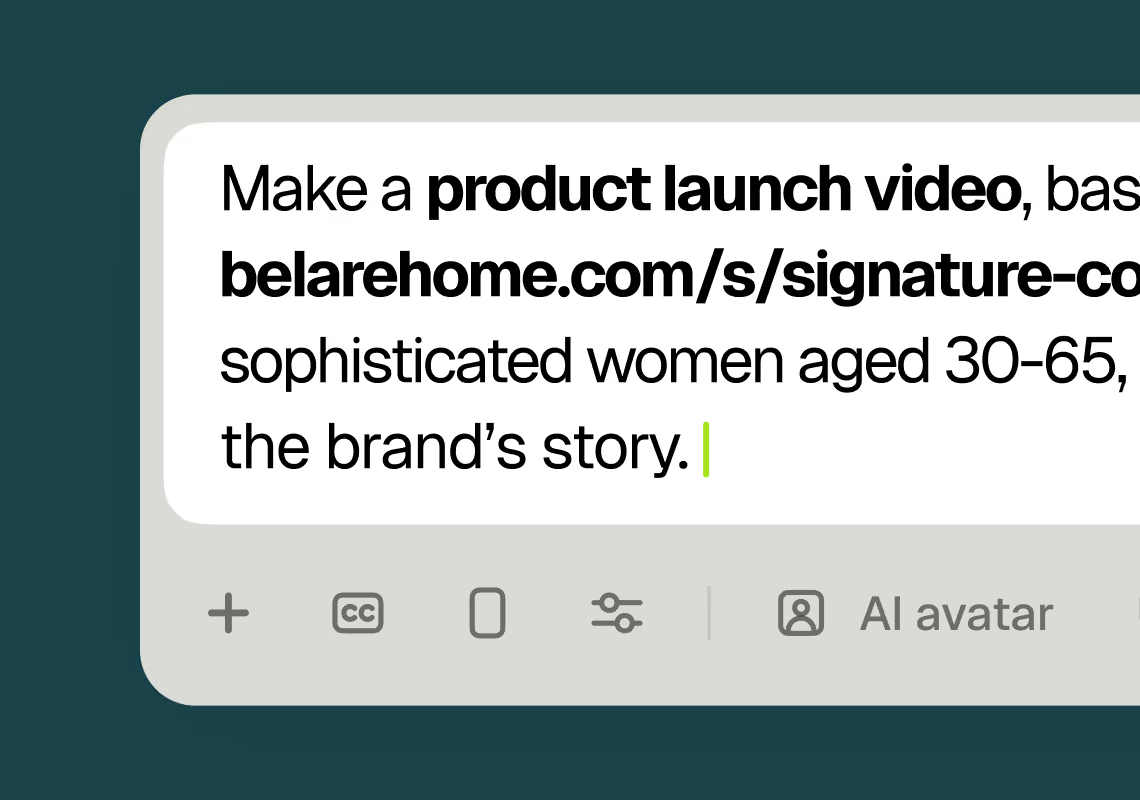
1Describe your video
Paste your promo brief, script, outline, or blog URL into Agent Opus.
 2
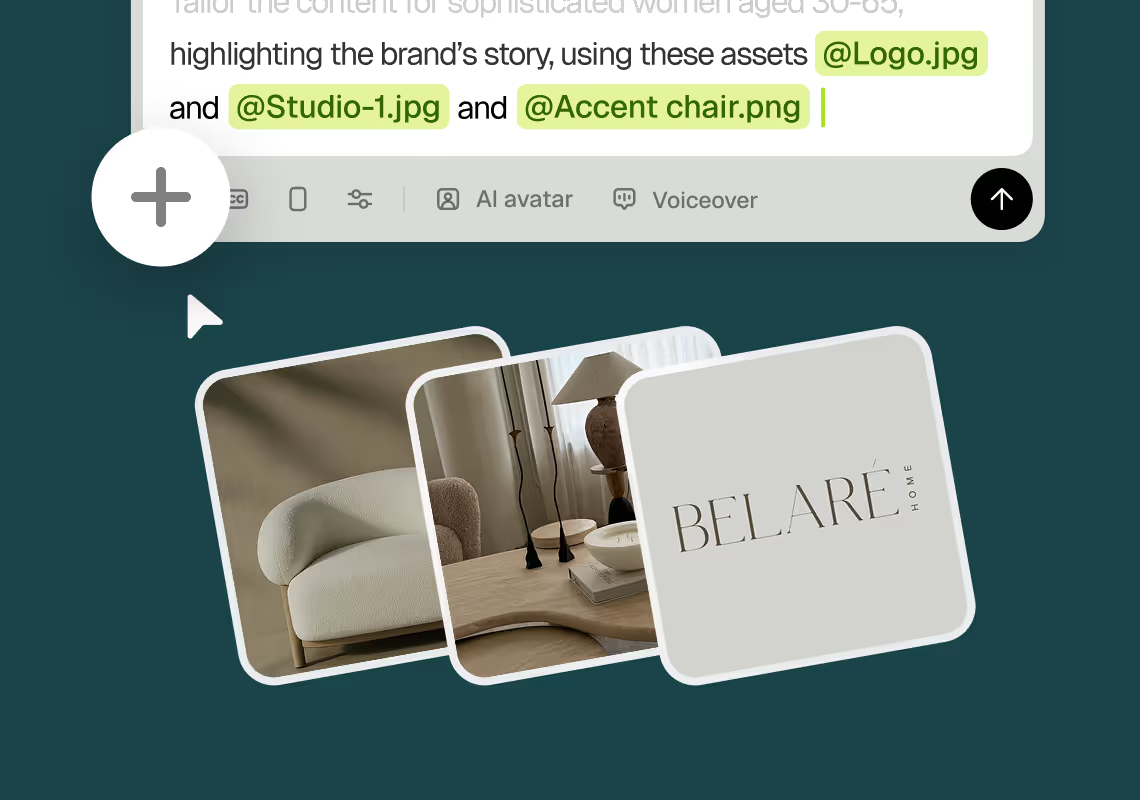
2Add assets and sources
Upload brand assets like logos and product images, or let the AI source stock visuals automatically.
 3
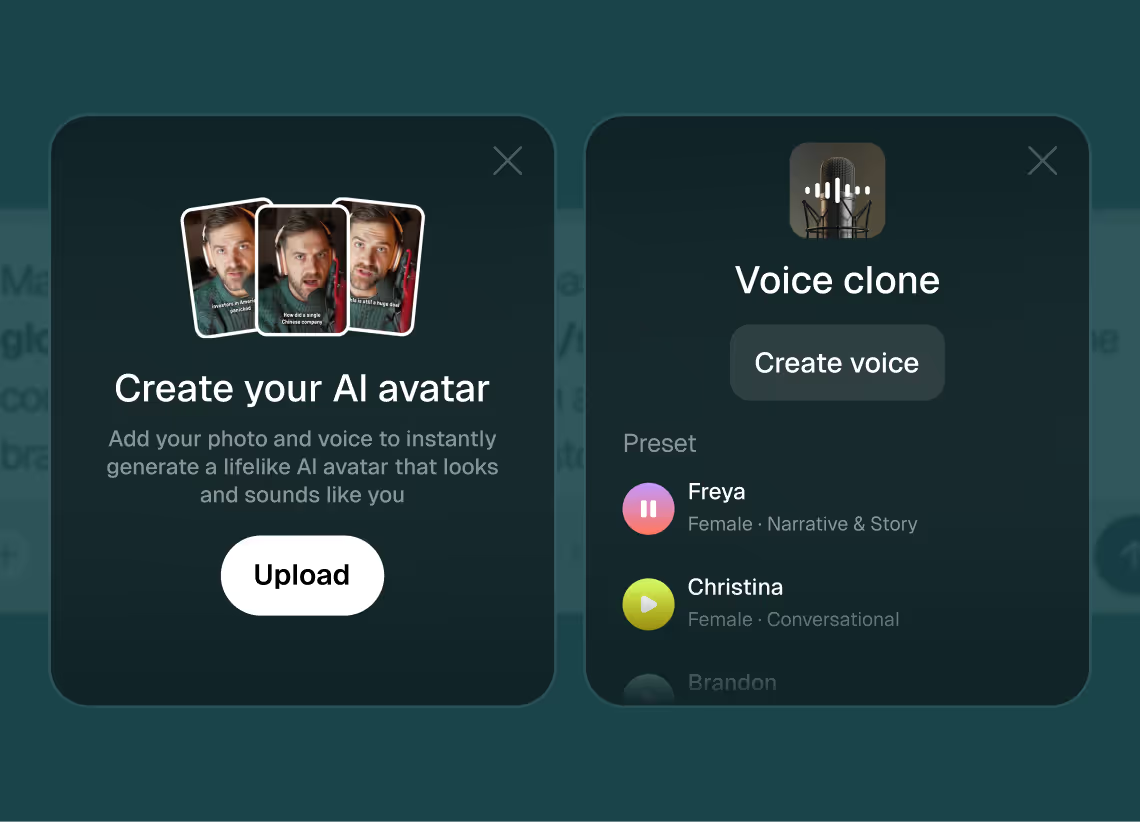
3Choose voice and avatar
Choose voice (clone yours or pick an AI voice) and avatar style (user or AI).
 4
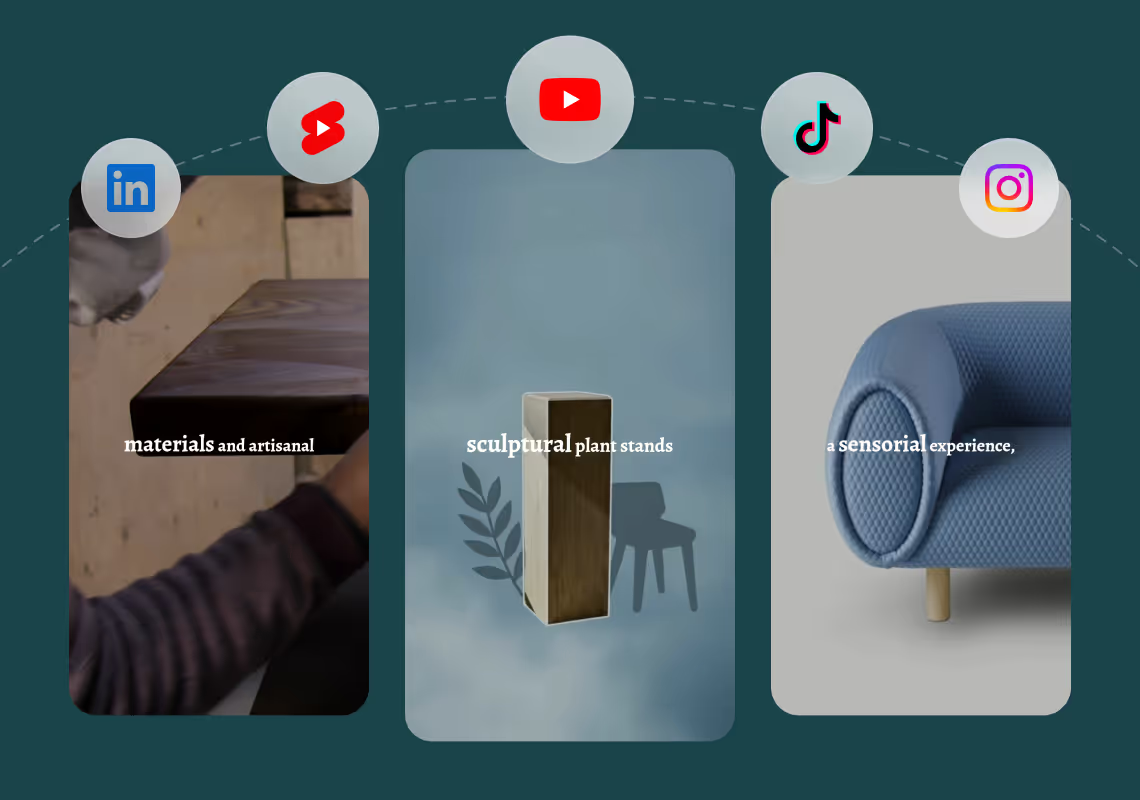
4Generate and publish-ready
Click generate and download your finished promo video in seconds, ready to publish across all platforms.


8 powerful features of Agent Opus' Cinematic Video Maker
Hollywood-Grade Cinematography
Generate sweeping camera movements, dramatic lighting, and film-quality compositions from simple text prompts.
Epic Score Integration
Pair your cinematic visuals with orchestral soundtracks and ambient audio that amplify storytelling impact.
Explore more Agent Opus tools
Testimonials
Awesome output, Most of my students and followers could not catch that it was using Agent Opus. Thank you Opus.
Wealth with Gaurav
This looks like a game-changer for us. We're building narrative-driven, visually layered content — and the ability to maintain character and motion consistency across episodes would be huge. If Agent Opus can sync branded motion graphics, tone, and avatar style seamlessly, it could easily become part of our production stack for short-form explainers and long-form investigative visuals.
srtaduck
I reviewed version a and I was very impressed with this version, it did very well in almost all aspects that users need, you would only have to make very small changes and maybe replace one of 2 of the pictures, but even saying that it could be used as is and still receive decent views or even chances at going viral depending on the story or the content the user chooses.
Jeremy
all in all LOVE THIS agent. I'm curious to see how I can push it (within reason) Just need to learn to get the consistency right with my prompts
Rebecca
Frequently Asked Questions
How does a cinematic video maker like Agent Opus handle different input types?
Agent Opus accepts four input formats, each optimized for different creative workflows. First, you can write a simple prompt describing your vision in plain language. For example, you might say, 'Create a 60-second cinematic video showcasing a new fitness app with energetic visuals, upbeat music, and a motivational voiceover.' Agent Opus interprets the intent, assembles scenes, sources imagery, applies motion graphics, and generates the voiceover automatically. Second, you can paste a full script with scene descriptions and dialogue. The AI parses the structure, assigns pacing, and builds each scene with appropriate visuals and transitions. Third, you can provide an outline with bullet points or section headers. Agent Opus expands the outline into a narrative flow, filling gaps with contextually relevant visuals and voiceover. Fourth, you can submit a blog or article URL. The AI extracts key points, structures a visual story, and transforms written content into a cinematic video narrative. Across all input types, Agent Opus maintains consistent quality by leveraging AI motion graphics for dynamic visual effects, auto-sourcing royalty-free or web images that match the tone and subject, and synchronizing voiceover pacing with scene transitions. The system also supports brand asset uploads, so you can include logos, product shots, or custom imagery alongside auto-sourced visuals. This flexibility means whether you're working from a rough idea, a polished script, or existing written content, the cinematic video maker adapts to your workflow and delivers a publish-ready result without requiring you to touch a timeline or editing interface.
What makes Agent Opus a true cinematic video maker versus a basic slideshow tool?
Agent Opus differentiates itself through AI-powered motion graphics, dynamic visual assembly, and intelligent scene pacing that create genuine cinematic storytelling rather than static image sequences. Traditional slideshow tools display images with simple fades or wipes. Agent Opus applies compositing techniques like parallax scrolling, layered depth effects, kinetic typography, and smooth camera movements that mimic professional video production. The AI analyzes your script or prompt to determine emotional tone, narrative arc, and visual rhythm, then selects motion graphics styles that reinforce the story. For example, a product launch video might feature bold zoom transitions and energetic text animations, while a testimonial video uses subtle pans and soft dissolves. The system also handles visual hierarchy automatically, ensuring key messages, logos, and calls-to-action receive appropriate screen time and emphasis. Voice synchronization is another cinematic element. Agent Opus matches voiceover pacing to scene transitions, so visual changes align with narrative beats. If the voiceover pauses for emphasis, the visuals hold. If the narration accelerates, transitions quicken. This sync creates a cohesive viewing experience that feels intentionally directed, not randomly assembled. Additionally, Agent Opus sources imagery contextually. Instead of generic stock photos, the AI searches for visuals that match specific script details, brand aesthetics, and emotional cues. If your script mentions a sunset beach scene, the system finds imagery with warm tones and coastal settings, then applies motion graphics that enhance the mood. The combination of intelligent visual sourcing, AI motion graphics, synchronized voiceover, and narrative-driven pacing is what transforms Agent Opus from a simple automation tool into a true cinematic video maker capable of producing content that rivals human-edited productions.
Can I maintain brand consistency across multiple cinematic videos with Agent Opus?
Yes, Agent Opus is designed to support brand consistency through custom asset integration, voice cloning, and reusable style preferences. When you upload brand assets like logos, product images, color palettes, or custom graphics, Agent Opus stores them for use across all your projects. Each time you generate a new cinematic video, the system can automatically incorporate your logo in the intro or outro, overlay product shots at key moments, and prioritize brand colors in motion graphics and text overlays. This eliminates the need to manually insert branding elements for every video. Voice cloning is another powerful consistency tool. Upload a short audio sample of your voice or a brand spokesperson's voice, and Agent Opus replicates it for all future narrations. This ensures every cinematic video sounds like it comes from the same source, building recognition and trust with your audience. If you prefer AI voices, you can select a specific voice profile and save it as your default, so all videos use the same tone and delivery style. Agent Opus also learns from your input patterns. If you consistently use certain keywords, visual themes, or narrative structures in your prompts and scripts, the AI begins to recognize your preferences and applies them automatically. For example, if you always request upbeat music and fast-paced transitions for product launches, the system will default to those choices in future projects. You can also create templates by saving successful prompts or scripts as starting points. When you need a new video in the same style, you simply modify the template rather than starting from scratch. This workflow is especially valuable for content series, where each episode needs to feel cohesive while covering different topics. The combination of asset libraries, voice cloning, learned preferences, and template reuse makes Agent Opus a scalable solution for brands producing high volumes of cinematic video content without sacrificing visual or tonal consistency.
What are best practices for writing prompts that maximize cinematic quality in Agent Opus?
Effective prompts for a cinematic video maker like Agent Opus balance specificity with creative freedom, providing enough detail to guide the AI while leaving room for intelligent interpretation. Start by defining the core message and emotional tone. For example, instead of saying 'Make a video about our app,' write 'Create a 90-second cinematic video that showcases our meditation app as a calming escape from daily stress, using serene nature visuals, soft transitions, and a warm, reassuring voiceover.' This gives Agent Opus clear direction on mood, pacing, and visual style. Next, specify key scenes or narrative beats. You might structure your prompt like a mini-outline: 'Scene 1: Morning chaos, fast cuts, urban imagery. Scene 2: User opens app, visuals slow down, nature footage begins. Scene 3: Guided meditation session, close-ups of peaceful faces, soft music. Scene 4: User returns to day feeling centered, confident body language, uplifting finale.' This level of detail helps the AI understand narrative flow and allocate appropriate screen time to each segment. Include sensory and stylistic cues. Words like 'cinematic,' 'dramatic,' 'minimalist,' 'vibrant,' or 'moody' signal the visual treatment you want. Mention specific colors, lighting styles, or reference aesthetics if relevant. For example, 'Use golden hour lighting and earthy tones' or 'Apply a modern tech aesthetic with blues and whites.' These cues guide the AI's motion graphics and image sourcing decisions. Specify voiceover characteristics. Indicate whether you want an energetic, authoritative, conversational, or soothing tone. If using voice cloning, note any emphasis points or pacing preferences. For example, 'Voiceover should be calm and measured, with pauses after key benefits.' If you have brand assets, mention them in the prompt: 'Include our logo in the intro and product screenshots at the 30-second mark.' This ensures Agent Opus integrates your materials seamlessly. Finally, indicate the target platform and duration. Saying 'Create a 60-second Instagram Reel' versus 'Create a 3-minute YouTube video' helps the AI optimize pacing, aspect ratio, and content density. The best prompts are conversational yet precise, treating Agent Opus like a creative collaborator who needs context to deliver your vision.