Audio to Video
Turn any audio file into a polished, publish-ready video in minutes. Agent Opus transforms podcasts, voiceovers, interviews, and audio recordings into engaging visual content with AI-generated scenes, motion graphics, and dynamic visuals. No editing skills required. Describe your audio content or upload a script, and get a complete video optimized for TikTok, Instagram Reels, YouTube Shorts, and LinkedIn. Perfect for repurposing audio content, creating audiograms, podcast clips, and social videos that capture attention and drive engagement.

Explore what's possible with Agent Opus

Reasons why creators love Agent Opus' Audio to Video
Launch-Ready in Minutes
Turn your podcast, voiceover, or audio track into a polished video without waiting on editors or expensive production.
On-Brand in Every Frame
Match your audio's tone with visuals that reflect your style, so every video feels authentically yours.
Reach Beyond Audio-Only
Expand your audience by giving listeners a visual experience that works on YouTube, social feeds, and beyond.
Skip Studio Costs Entirely
Generate professional video content from your audio files alone, no cameras or location shoots required.
Repurpose Without Rerecording
Breathe new life into existing audio content by transforming it into engaging video formats your audience will share.
How to use Agent Opus’ Audio to Video
 1
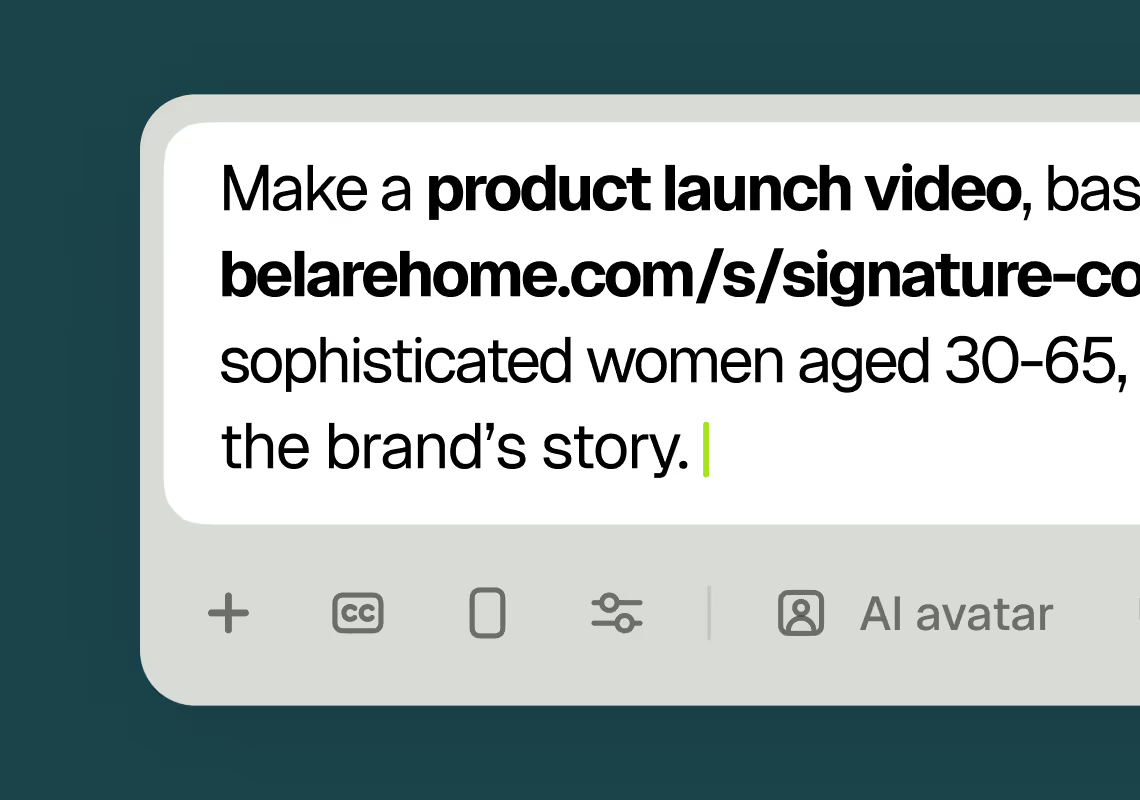
1Describe your video
Paste your promo brief, script, outline, or blog URL into Agent Opus.
 2
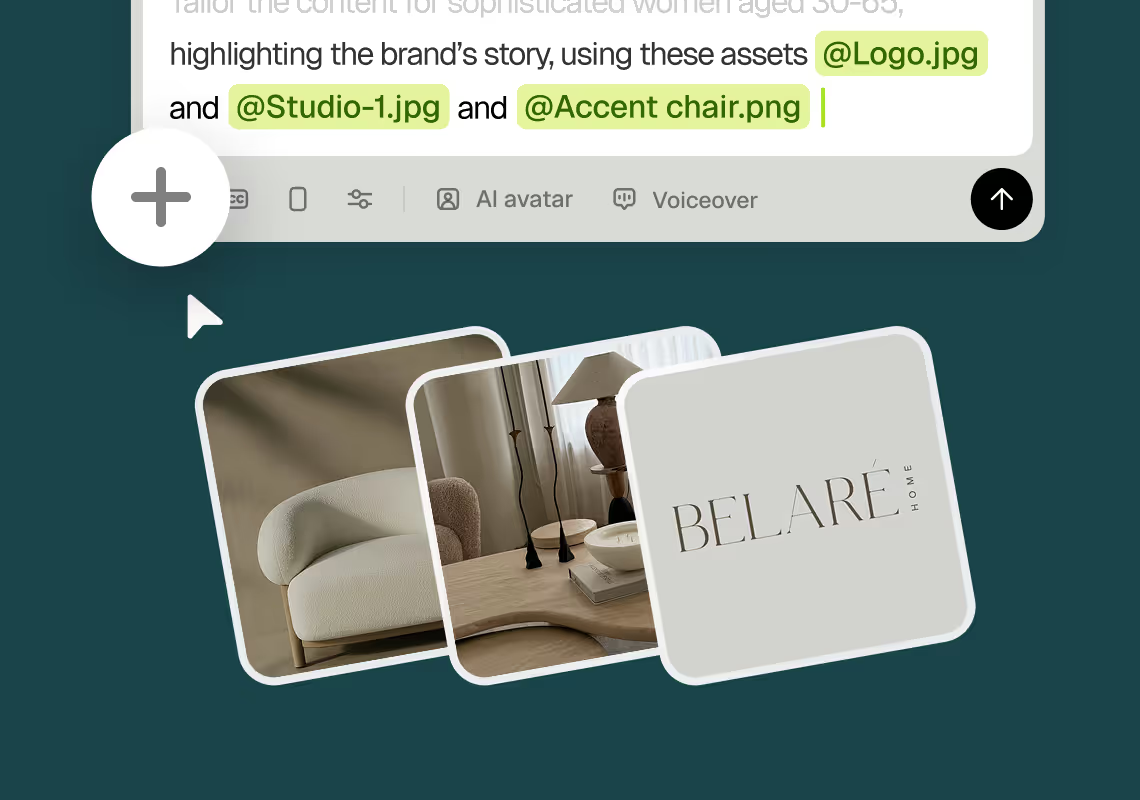
2Add assets and sources
Upload brand assets like logos and product images, or let the AI source stock visuals automatically.
 3
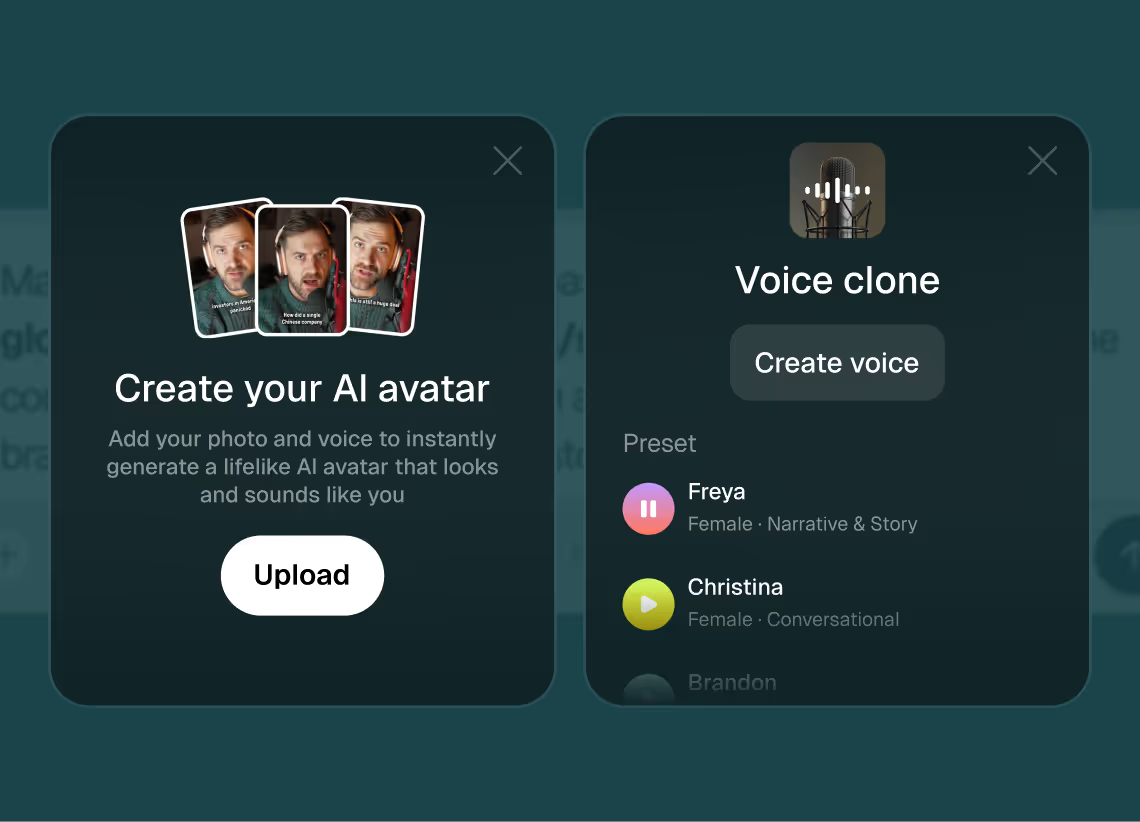
3Choose voice and avatar
Choose voice (clone yours or pick an AI voice) and avatar style (user or AI).
 4
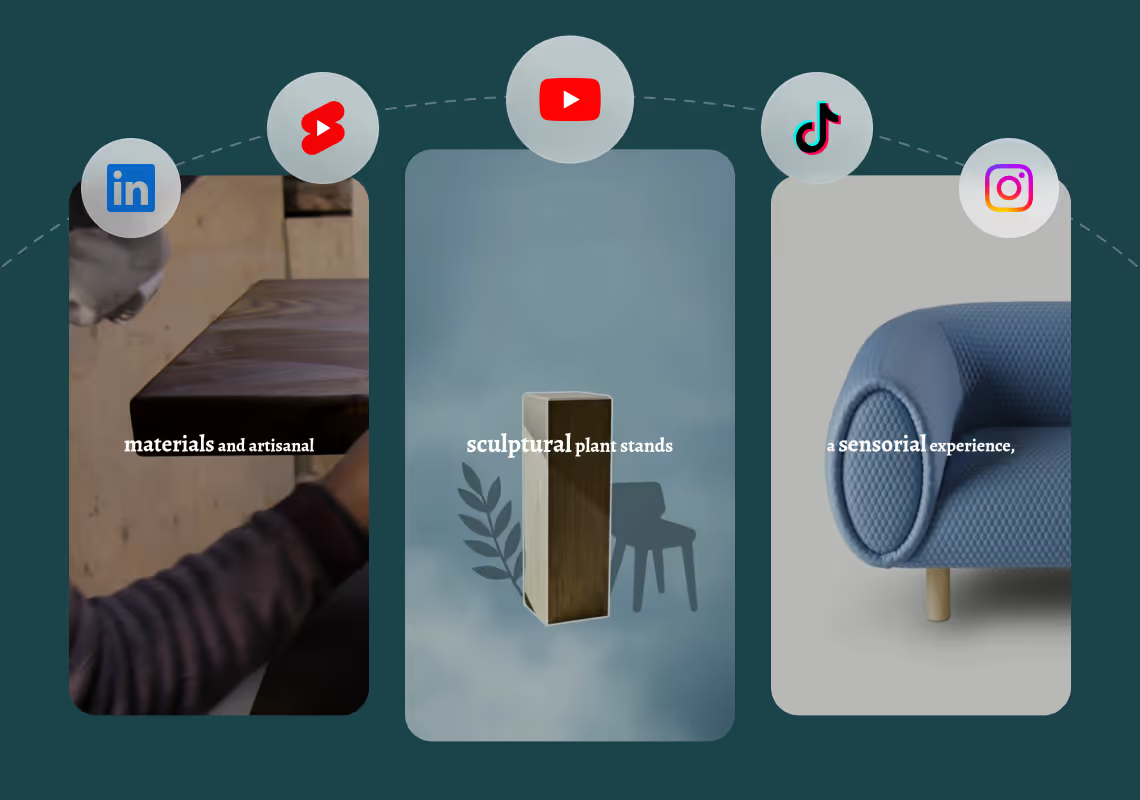
4Generate and publish-ready
Click generate and download your finished promo video in seconds, ready to publish across all platforms.


8 powerful features of Agent Opus' Audio to Video
Podcast to Video
Convert podcast episodes into engaging videos with AI-generated visuals matching your audio content.
Audiogram Video Maker
Produce shareable audiogram videos perfect for promoting audio content across social platforms.
Music Video Generation
Turn songs and tracks into professional music videos with rhythm-synced visual effects automatically.
Audio-Driven Animations
Create videos where visuals respond to audio peaks, beats, and frequency changes in real time.
Sound-Synced Transitions
Automatically time video cuts and transitions to match audio beats and natural speech pauses.
Speech to Scene Matching
AI analyzes spoken words and generates relevant video scenes that illustrate your audio narrative.
Voiceover Video Creation
Generate complete videos from voice recordings with contextual scenes and supporting imagery.
Instant Audio Visualization
Transform any audio file into dynamic video with animated waveforms and motion graphics instantly.
Testimonials
This looks like a game-changer for us. We're building narrative-driven, visually layered content — and the ability to maintain character and motion consistency across episodes would be huge. If Agent Opus can sync branded motion graphics, tone, and avatar style seamlessly, it could easily become part of our production stack for short-form explainers and long-form investigative visuals.
srtaduck
Awesome output, Most of my students and followers could not catch that it was using Agent Opus. Thank you Opus.
Wealth with Gaurav
I reviewed version a and I was very impressed with this version, it did very well in almost all aspects that users need, you would only have to make very small changes and maybe replace one of 2 of the pictures, but even saying that it could be used as is and still receive decent views or even chances at going viral depending on the story or the content the user chooses.
Jeremy
Frequently Asked Questions
How does audio to video generation work with different types of audio content?
Agent Opus handles multiple audio input formats to create videos from your content. You can provide a written script that describes your audio narrative, paste a transcript from an existing audio file, or write a brief describing what your audio content covers. The AI analyzes the content structure, identifies key themes and topics, then generates visual scenes that complement your audio story. For podcast episodes, the system creates scene breaks at natural topic transitions. For voiceover scripts, it synchronizes visuals to match your narrative pacing. For interviews, it can alternate between speaker-focused scenes and topic illustrations. The audio to video process doesn't require you to upload actual audio files. Instead, Agent Opus generates both the visual content and voiceover simultaneously, or you can clone your voice to maintain your authentic sound. This approach gives you complete control over the final audio quality while the AI handles all visual generation, motion graphics, and scene assembly. The result is a finished video where audio and visuals work together seamlessly, ready to publish without any manual syncing or editing required.
What are best practices for prompts when converting audio content to video?
Effective audio to video prompts focus on three elements: content structure, visual style, and audience context. Start by outlining your audio narrative with clear topic breaks. Instead of one long paragraph, structure your script or description with distinct sections that help the AI understand where scene changes should occur. For example, a podcast prompt might include intro, three main discussion points, and outro. Each section gets its own visual treatment. Include visual direction in your prompt. Describe the mood and style you want. Professional and corporate? Energetic and dynamic? Minimal and clean? These cues guide the motion graphics engine and image selection. Mention specific visual elements you want featured, like product shots, data visualizations, or location imagery. The more specific your visual direction, the more targeted the generated scenes. Provide audience and platform context. Mention whether this audio to video output is for LinkedIn thought leadership, TikTok education, Instagram storytelling, or YouTube tutorials. This context shapes pacing, text overlay density, and visual complexity. LinkedIn videos might feature more data and professional imagery, while TikTok versions emphasize quick cuts and bold graphics. Finally, include any brand requirements upfront: logos, color schemes, or mandatory visual elements. Agent Opus integrates these throughout the generated video, maintaining brand consistency across all scenes without manual placement.
Can audio to video generation maintain consistent branding and voice across multiple videos?
Yes, Agent Opus maintains brand consistency across all your audio to video projects through several integrated systems. Voice consistency comes through voice cloning technology. Record a short voice sample once, and Agent Opus can generate narration in your voice for every future video. This means all your audio content carries your authentic vocal identity, whether you're creating daily social videos or monthly podcast clips. The voice clone captures your tone, pacing, and speaking style, so audiences recognize your content immediately. Visual branding stays consistent through asset integration. Upload your logo, brand colors, product images, and key visual elements once. Agent Opus automatically incorporates these assets across all generated videos, placing logos in consistent positions, using your color palette for motion graphics, and featuring your products or team photos where relevant. You don't re-upload or reposition these elements for each video. The AI remembers your brand guidelines and applies them automatically. Style consistency comes from prompt templates. Once you find an audio to video style that works, save the prompt structure and visual direction language. Use this template for future projects, adjusting only the specific content while maintaining the overall look and feel. This creates a recognizable visual signature across your video library. Platform-specific branding also stays consistent. If your LinkedIn videos always feature a specific intro style or your TikTok content uses particular motion graphic treatments, Agent Opus applies these patterns across all audio to video generations for each platform, building brand recognition through repetition.
What types of audio content work best for audio to video conversion?
Audio to video generation excels with structured, narrative-driven content where visuals can enhance understanding and engagement. Podcast episodes convert exceptionally well because they already have clear topic structure and conversational flow. The AI generates scenes for each discussion point, adds relevant imagery for topics mentioned, and creates visual interest during longer explanations. Educational audio content, like tutorials, how-to guides, and explainer narrations, benefits enormously from audio to video treatment. The system can illustrate steps visually, add text callouts for key points, and show examples or demonstrations that complement your verbal instructions. Listeners become viewers who both hear and see your teaching. Interview and conversation audio translates effectively into video format. Agent Opus can create speaker-focused scenes, add context visuals for topics discussed, and use motion graphics to emphasize important quotes or insights. The visual layer adds engagement to what might otherwise be static talking-head content. Marketing and sales audio, including product pitches, testimonials, and promotional voiceovers, gain impact through audio to video generation. The AI showcases products, illustrates benefits visually, and adds persuasive motion graphics that reinforce your message. Audio ads become video ads without separate production. Storytelling and narrative content works beautifully because Agent Opus generates scenes that match your story beats, creating a visual journey that enhances emotional impact. Audio content that's less structured, like ambient recordings, music-only tracks, or unscripted conversations without clear topics, may require more detailed prompts to guide effective visual generation. The key is providing enough content context for the AI to understand what visuals will enhance your audio message.