KI-Storyboard-Generator
Verwandeln Sie Skripte, Gliederungen und Prompts in wenigen Minuten in vollständige Video-Storyboards. Der Agent Opus KI-Storyboard-Generator erstellt Szene für Szene Visualisierungen mit Motion Graphics, Voiceover und dynamischem Pacing. Kein manuelles Layout, keine Stock-Suche, keine Timeline-Bearbeitung. Beschreiben Sie Ihr Konzept oder fügen Sie Ihr Skript ein und erhalten Sie ein veröffentlichungsfertiges Video-Storyboard, das jeden Beat Ihrer Geschichte mit KI-generierten Visualisierungen, Übergängen und Audio abbildet. Perfekt für Pitch Decks, Kundenvorschauen, Social-Media-Kampagnen und Produktionsplanung.

Explore what's possible with Agent Opus

Reasons why creators love Agent Opus' KI-Storyboard-Generator
Pitch-Ready in Minutes
Turn rough ideas into polished visual storyboards fast enough to meet any client deadline or approval cycle.
Align Teams Effortlessly
Give directors, producers, and clients a shared visual reference that eliminates miscommunication and costly reshoots.
Iterate Without the Wait
Test multiple narrative directions and shot sequences instantly, so you find the strongest story before production starts.
Creative Freedom at Scale
Explore bold concepts and experimental sequences without worrying about time constraints or revision fees slowing you down.
No Drawing Skills Required
Communicate your vision clearly without hiring illustrators or struggling through sketching tools you never learned.
Budget-Friendly Pre-Production
Skip expensive storyboard artists and still deliver professional-grade visuals that secure funding and greenlight projects.
How to use Agent Opus’ KI-Storyboard-Generator
 1
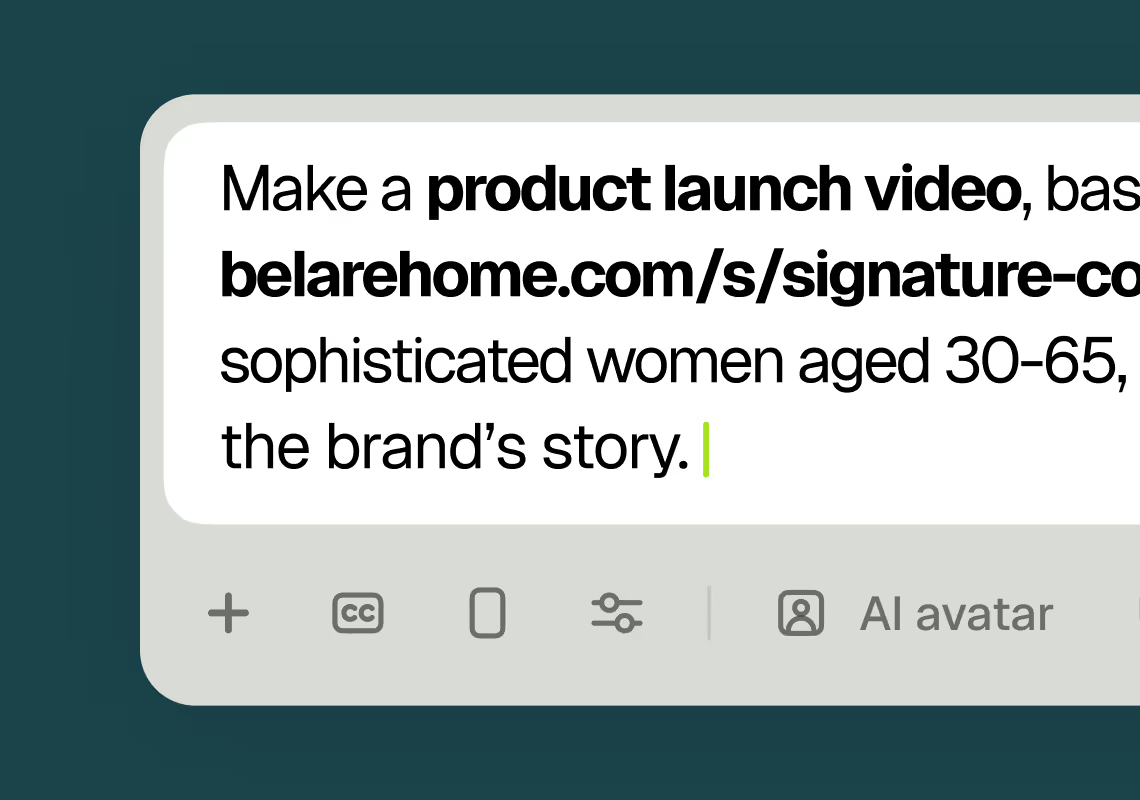
1Describe your video
Paste your promo brief, script, outline, or blog URL into Agent Opus.
 2
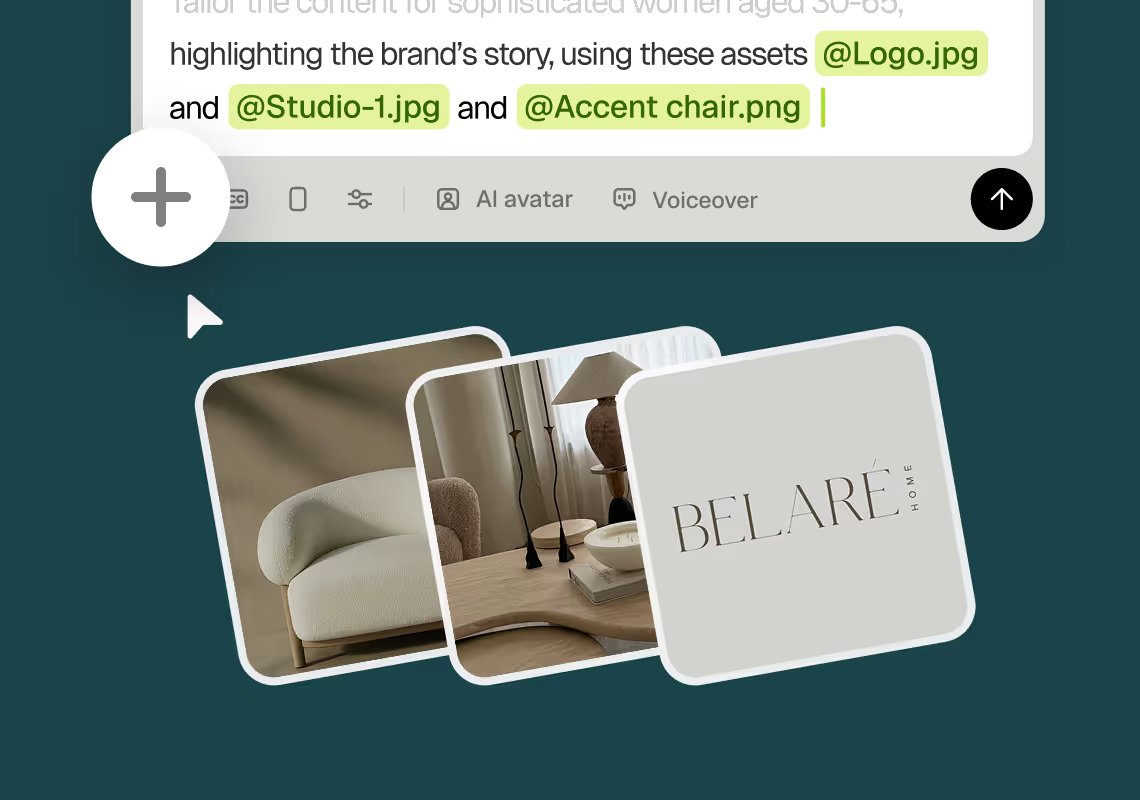
2Add assets and sources
Upload brand assets like logos and product images, or let the AI source stock visuals automatically.
 3
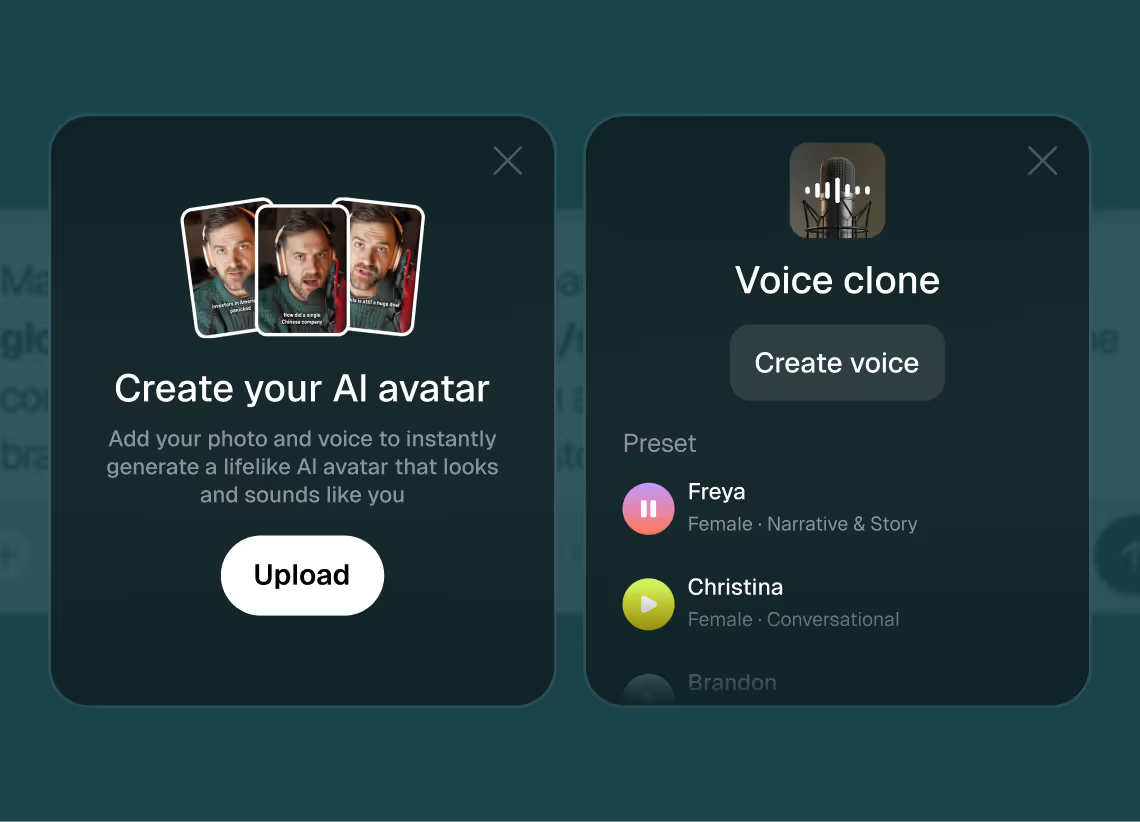
3Choose voice and avatar
Choose voice (clone yours or pick an AI voice) and avatar style (user or AI).
 4
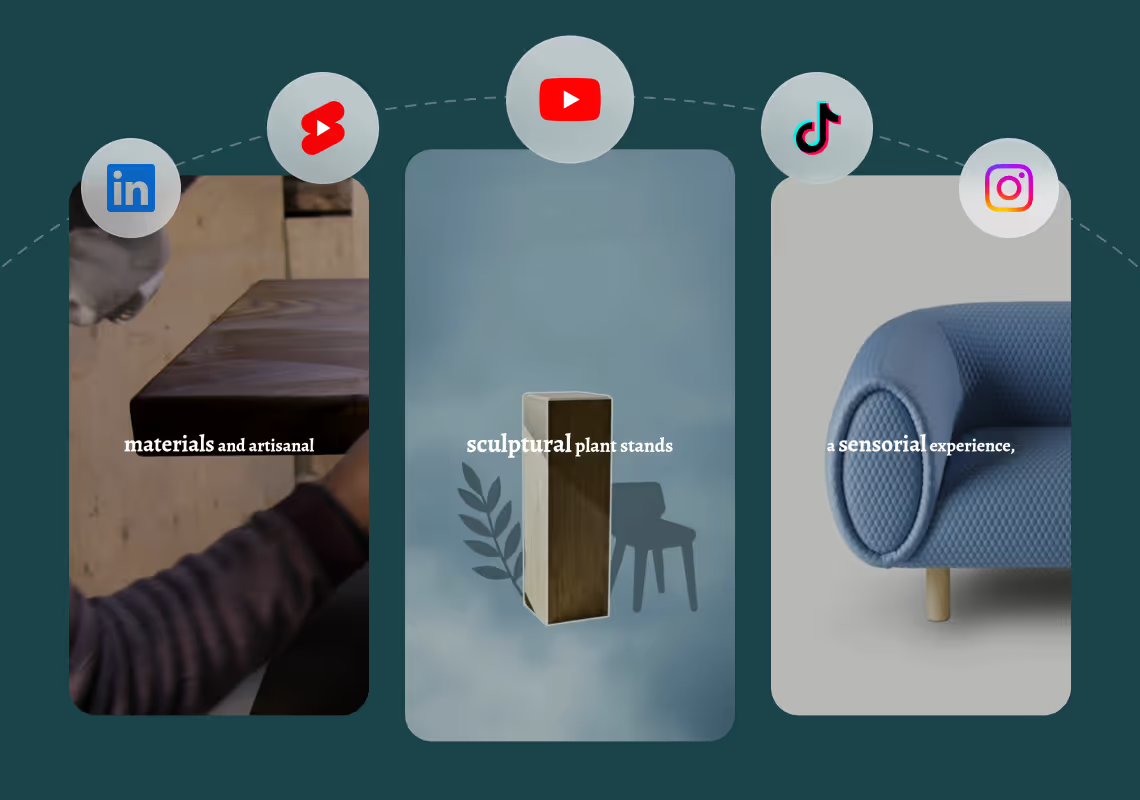
4Generate and publish-ready
Click generate and download your finished promo video in seconds, ready to publish across all platforms.


8 powerful features of Agent Opus' KI-Storyboard-Generator
Script to Storyboard
Transform written scripts into visual storyboard frames with AI-generated scenes and camera angles.
Charakterkonsistenz
Behalten Sie ein einheitliches Erscheinungsbild und Styling der Charaktere in allen generierten Storyboard-Panels bei.
Style Control Options
Apply visual styles to storyboard frames, from sketch to cinematic, matching your project aesthetic.
Rapid Iteration Workflow
Regenerate individual storyboard panels or entire sequences with revised prompts for quick creative exploration.
Shot Composition Preview
Visualize camera framing and composition choices across storyboard sequences automatically from descriptions.
Scene Transition Planning
Generate storyboards that illustrate transitions and pacing between narrative beats and sequences.
Instant Scene Visualization
Generate storyboard panels from text prompts in seconds, previewing your narrative before production.
Sequential Frame Generation
Create multi-panel storyboards that map your story arc with consistent characters and settings.
Testimonials
wow that's actually great 🔥
irtaza65
This looks like a game-changer for us. We're building narrative-driven, visually layered content — and the ability to maintain character and motion consistency across episodes would be huge. If Agent Opus can sync branded motion graphics, tone, and avatar style seamlessly, it could easily become part of our production stack for short-form explainers and long-form investigative visuals.
srtaduck
Awesome output, Most of my students and followers could not catch that it was using Agent Opus. Thank you Opus.
Wealth with Gaurav
Frequently Asked Questions
Wie verarbeitet ein KI-Storyboard-Generator komplexe Skripte mit mehreren Szenen und Charakteren?
Agent Opus analysiert Ihr Skript, um Szenenwechsel, Charaktereinführungen, Dialogpassagen und Actionsequenzen zu identifizieren. Der KI-Storyboard-Generator ordnet jeden narrativen Beat einer visuellen Szene zu und wählt Bilder und Motion Graphics aus, die zu Ton und Kontext passen. Wenn Ihr Skript beispielsweise eine Produktdemo gefolgt von einem Kundenreferenz beschreibt, generiert Agent Opus eine Szene, die das Produkt in Verwendung zeigt, und wechselt dann zu einem Testimonial-Frame mit einem Avatar oder Voiceover. Sie können Regieanweisungen oder visuelle Hinweise in Ihr Skript einfügen (z. B. „Nahaufnahme des Dashboards
Was sind Best Practices für das Schreiben von Prompts, die hochwertige KI-Storyboards erzeugen?
Beginnen Sie mit einer klaren narrativen Struktur. Unterteilen Sie Ihr Konzept in einzelne Szenen oder Beats, auch wenn Sie mit einem kurzen Prompt statt einem vollständigen Skript arbeiten. Schreiben Sie beispielsweise statt „erstelle ein Video über unsere App" lieber „Szene 1: Nutzer frustriert mit altem Tool. Szene 2: entdeckt unsere App. Szene 3: erledigt Aufgabe einfach, lächelt." Dies gibt dem KI-Storyboard-Generator explizite Hinweise für Pacing und visuelle Übergänge. Fügen Sie sensorische und emotionale Details hinzu: „helles, energiegeladenes Büro" oder „ruhige, fokussierte Nahaufnahme" helfen dem Generator, Bilder und Motion Graphics auszuwählen, die zu Ihrer beabsichtigten Stimmung passen. Geben Sie alle unverzichtbaren Visualisierungen wie Produktaufnahmen, Logos oder bestimmte Orte an. Wenn Sie einen Avatar möchten, notieren Sie, ob er KI-generiert oder nutzerbasiert sein soll, und beschreiben Sie den Präsentationsstil (z. B. „freundlicher Erklärer
Can an AI storyboard generator maintain consistent branding and visual style across multiple projects?
Yes. Agent Opus allows you to upload brand assets like logos, color palettes, and product images, which the AI storyboard generator integrates into every scene. Once you've set brand guidelines in your account, the system applies them automatically to motion graphics, text overlays, and visual composition. For example, if your brand uses a specific font and color scheme, those elements will appear in animated titles and callouts throughout the storyboard. You can also define a preferred visual style in your prompts: 'modern, minimalist with bold typography' or 'vibrant, playful with hand-drawn elements.' The generator will prioritize images and motion graphics that align with that aesthetic. For teams managing multiple campaigns, you can save prompt templates that include brand voice, visual style, and structural preferences. This ensures every storyboard generated for a client or product line follows the same creative direction. If you're working with a specific aspect ratio or platform (e.g., vertical for TikTok, square for Instagram), the AI adjusts composition and text placement to fit that format while maintaining brand consistency. Over time, as you refine prompts and regenerate storyboards, the system learns your preferences and delivers more on-brand results with less manual direction. This is especially valuable for agencies and in-house teams producing high volumes of video content across different campaigns and clients.
What are the limitations or edge cases when using an AI storyboard generator for production planning?
Agent Opus excels at generating visual storyboards from text, but it relies on available web and stock imagery, so highly specific or niche visuals (e.g., proprietary product prototypes, custom illustrations) may require you to upload reference images. The AI storyboard generator can incorporate those assets, but it won't create original artwork from scratch. For live-action productions with precise shot lists (e.g., 'low-angle dolly shot through warehouse'), the storyboard will provide a visual approximation using stock footage or images, but it won't replicate exact camera angles or lighting setups. In those cases, use the generated storyboard as a conceptual preview and supplement it with traditional shot planning. Complex animations or 3D renders are represented with motion graphics and dynamic compositing, but if your project requires custom 3D modeling, you'll need to integrate those assets separately. The voiceover and avatar features are excellent for narrative-driven storyboards, but they won't replace on-set direction for actors or detailed performance notes. If your script includes rapid scene changes or abstract concepts (e.g., 'visualize the feeling of innovation'), provide concrete visual metaphors in your prompt (e.g., 'light bulb turning on,' 'hands assembling puzzle pieces') to guide the generator. Finally, while the AI handles pacing and transitions automatically, you may want to adjust timing for specific beats, especially in high-stakes pitch decks or client presentations. The storyboard is designed to be a working draft that communicates your vision quickly; treat it as a foundation for further refinement rather than a final production blueprint.