Video teilen
Teilen Sie Videoinhalte, die zum Anhalten bringen. Agent Opus verwandelt Ihren Text, Ihr Skript, Ihre Gliederung oder Blog-URL in ein fertiges, veröffentlichungsbereites Video mit KI-Animationen, Voiceover und für Social Media optimierter Formatierung. Keine Timeline, kein Schnitt, kein Durchsuchen von Stock-Bibliotheken. Beschreiben Sie, was Sie teilen möchten, und Agent Opus erstellt das komplette Video automatisch. Perfekt für Creator, Marketer und Gründer, die Videos auf TikTok, Instagram Reels, YouTube Shorts, LinkedIn und jeder Plattform teilen müssen, auf der sich Ihre Zielgruppe aufhält. Ein Prompt liefert ein teilbares Video, bereit zum Posten.

Explore what's possible with Agent Opus

Reasons why creators love Agent Opus' Video teilen
Audience-Ready Quality
Deliver professional-grade videos that command attention and credibility the moment you hit share.
Share More, Stress Less
Produce videos faster than traditional workflows, letting you share content while it's still timely and relevant.
Ready to Share Instantly
Generate polished videos that need zero post-production tweaks before sharing across platforms.
Consistent Brand Everywhere
Maintain your visual identity across every video you share, building recognition with every post.
Platform-Perfect Every Time
Export in formats optimized for each channel so your content looks flawless wherever you share.
Scale Your Reach Effortlessly
Create multiple videos for different audiences without multiplying your workload or production costs.
How to use Agent Opus’ Video teilen
 1
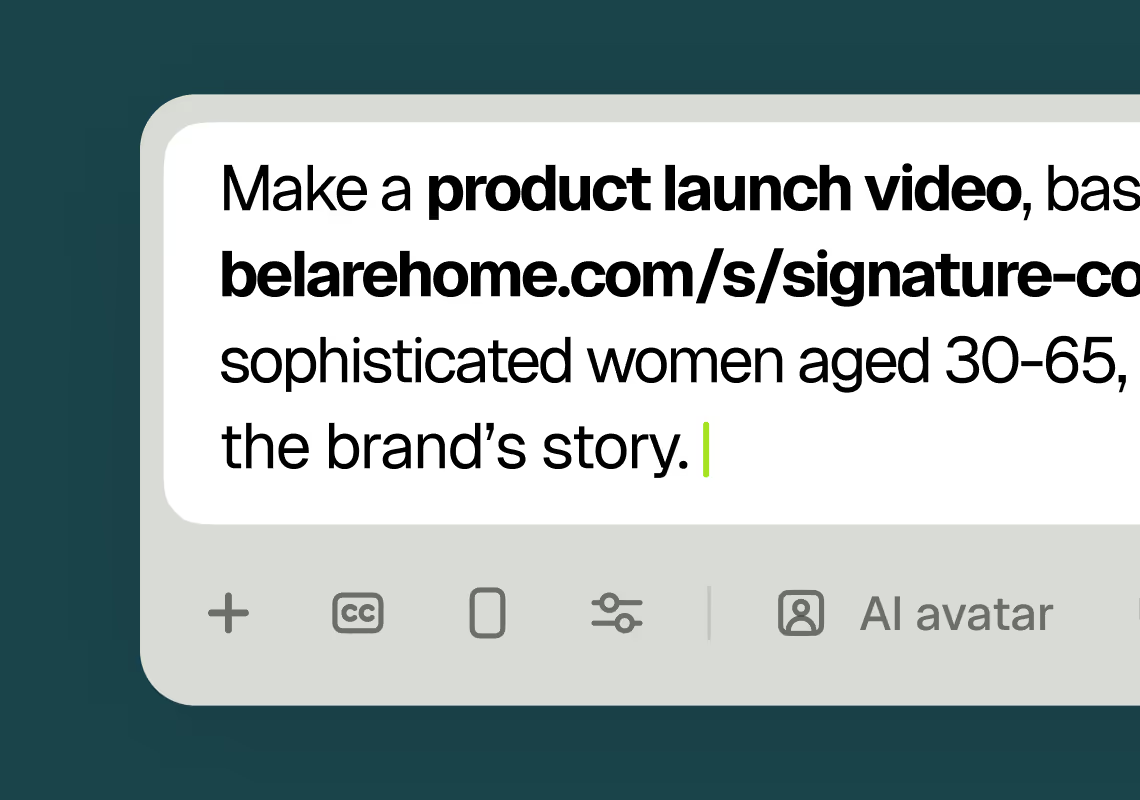
1Describe your video
Paste your promo brief, script, outline, or blog URL into Agent Opus.
 2
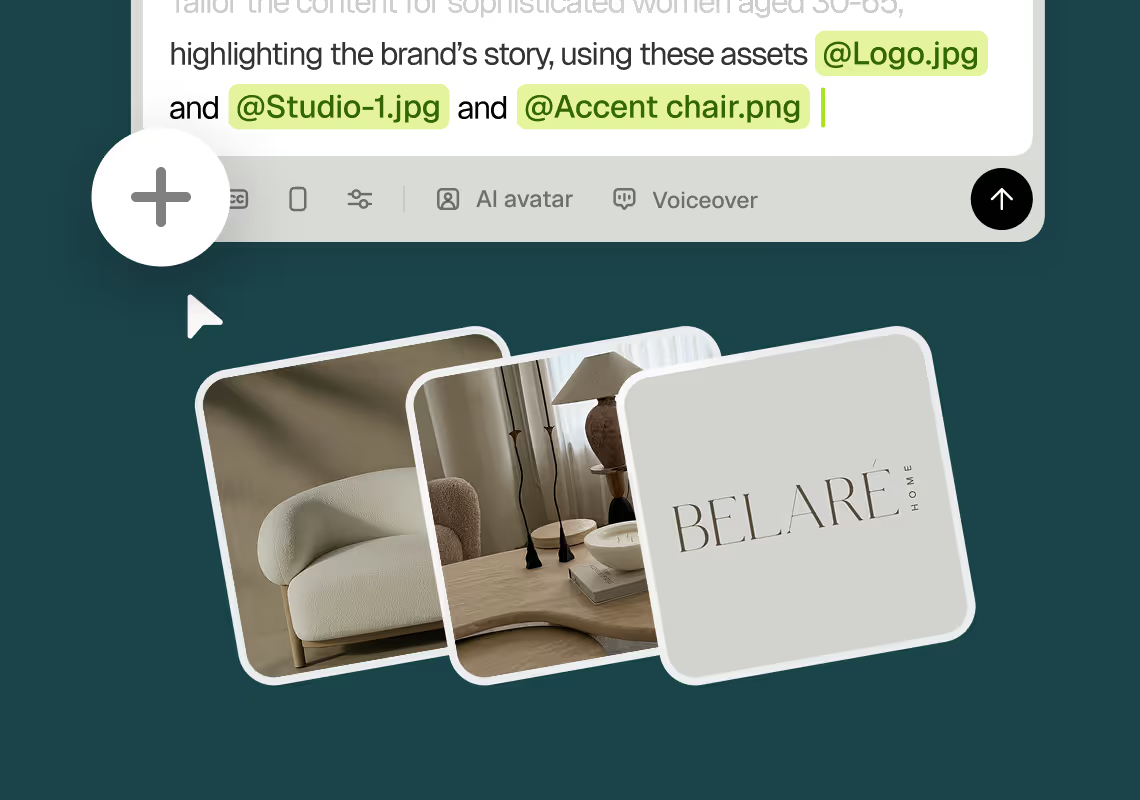
2Add assets and sources
Upload brand assets like logos and product images, or let the AI source stock visuals automatically.
 3
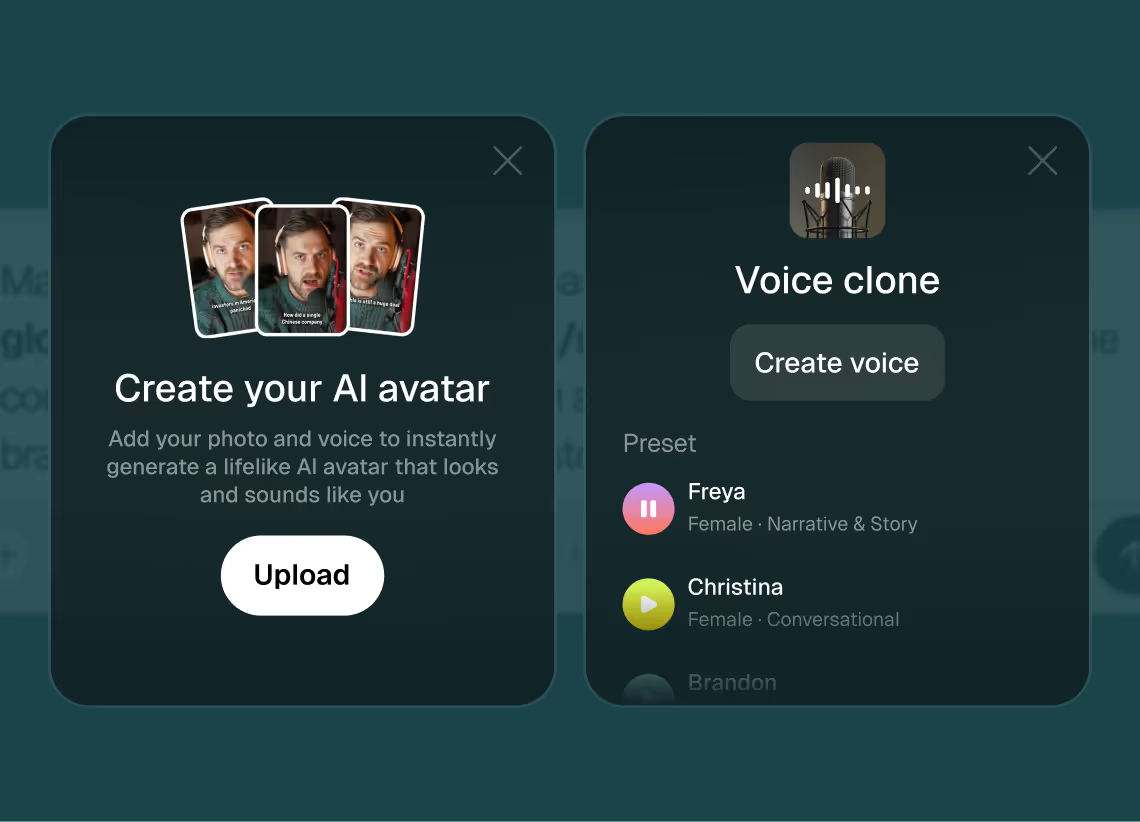
3Choose voice and avatar
Choose voice (clone yours or pick an AI voice) and avatar style (user or AI).
 4
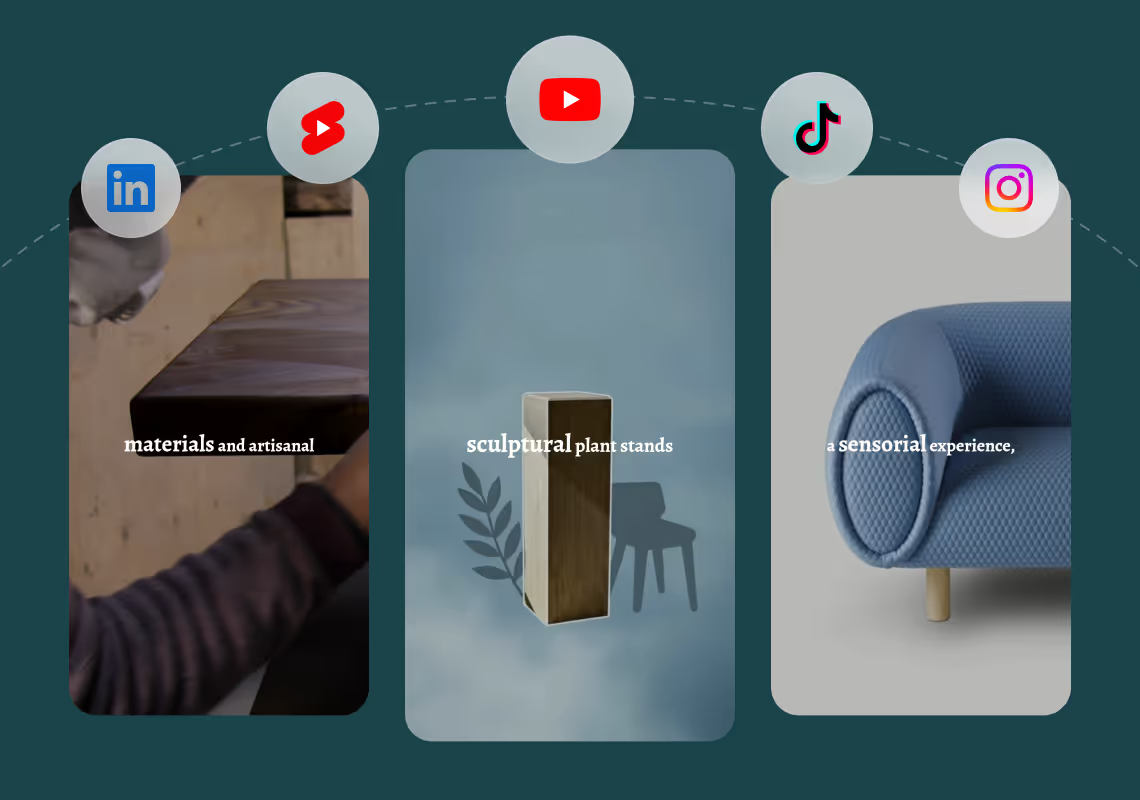
4Generate and publish-ready
Click generate and download your finished promo video in seconds, ready to publish across all platforms.


8 powerful features of Agent Opus' Video teilen
Embed Code Generation
Get instant embed codes to share your videos on websites and landing pages.
Download in Any Format
Export your generated videos as MP4, MOV, or WebM for flexible sharing options.
Platform-Ready Formats
Create videos in the exact dimensions and specs each social network requires.
One-Click Social Export
Generate videos optimized for every platform and share instantly to your channels.
Shareable Preview Links
Generate secure preview URLs to gather feedback before publishing your video.
Multi-Platform Publishing
Share the same AI-generated video across YouTube, Instagram, TikTok, and LinkedIn simultaneously.
Testimonials
Awesome output, Most of my students and followers could not catch that it was using Agent Opus. Thank you Opus.
Wealth with Gaurav
I dont think id change a thing
Quirky Collectables
all in all LOVE THIS agent. I'm curious to see how I can push it (within reason) Just need to learn to get the consistency right with my prompts
Rebecca
Frequently Asked Questions
Wie funktioniert die Videogenerierung zum Teilen mit verschiedenen Eingabetypen in Agent Opus?
Agent Opus ist darauf ausgelegt, Videos aus jedem Ausgangspunkt zu erstellen, der zu Ihrem Workflow passt. Wenn Sie ein detailliertes Skript haben, fügen Sie es ein und Agent Opus unterteilt es in Szenen, ordnet jedem Abschnitt passende Visuals zu und generiert das Voiceover. Wenn Sie mit einem kurzen Prompt oder Creative Brief arbeiten, erweitert Agent Opus Ihre Idee zu einer vollständigen Videostruktur und wählt Tempo, Übergänge und visuelle Themen, die zu Ihrer Absicht passen. Für Blog-zu-Video-Workflows geben Sie eine URL ein und Agent Opus extrahiert die wichtigsten Punkte, schreibt sie für Video-Pacing um und erstellt ein teilbares Video, das die Botschaft Ihres Artikels einfängt. Gliederungen funktionieren genauso: Agent Opus behandelt jeden Aufzählungspunkt als Szenenanker und füllt Erzählung, Visuals und Animationen aus. Das System versteht den Kontext – ob Sie Videoideen in drei Sätzen oder drei Seiten teilen, es passt Szenenlänge, visuelle Dichte und Voiceover-Ton entsprechend an. Diese Flexibilität bedeutet, dass Sie Videos konsistent teilen können, ohne jedes Projekt in dieselbe Vorlage zu zwängen. Marketer lieben dies beim Umwandeln von geschriebenen Inhalten in Social-Media-Videos. Creator nutzen es, um grobe Ideen in polierte Posts zu verwandeln. Gründer verlassen sich darauf, um Produkt-Updates zu teilen, ohne ein Videoteam zu engagieren. Der Schlüssel ist, dass Agent Opus die Übersetzung von Text zu visuellem Storytelling übernimmt, sodass Sie sich auf das konzentrieren, was Sie teilen möchten, nicht darauf, wie Sie es Bild für Bild erstellen.
Was sind Best Practices für Prompts, wenn Sie Videos mit Agent Opus teilen möchten?
Um Videos zu teilen, die Ihre Ziele erreichen, sollte Ihr Prompt drei Fragen beantworten: Was ist die Kernbotschaft, wer ist die Zielgruppe und was ist das gewünschte Ergebnis? Beginnen Sie mit der Botschaft. Statt „erstelle ein Video über unsere App" versuchen Sie „teile ein Video, das erklärt, wie unsere App Remote-Teams zwei Stunden pro Woche bei der Terminplanung spart." Spezifität gibt Agent Opus das narrative Rückgrat. Definieren Sie als Nächstes die Zielgruppe. „Für vielbeschäftigte HR-Manager" oder „für Erstgründer" formt Ton, Tempo und visuellen Stil. Agent Opus passt Komplexität und Energie an, je nachdem, mit wem Sie sprechen. Nennen Sie schließlich das Ergebnis: „Anmeldungen generieren
Kann Agent Opus Videos teilen, die mit benutzerdefinierten Logos, Farben und Stimme markenkonform bleiben?
Ja. Agent Opus ist darauf ausgelegt, Videos zu teilen, die Ihre Markenidentität widerspiegeln, ohne manuelles Asset-Management. Laden Sie Ihr Logo einmal hoch, und Agent Opus platziert es konsistent in Intros, Outros oder als Wasserzeichen durchgehend, je nach Ihrer Präferenz. Wenn Sie Produktfotos, UI-Screenshots oder Markengrafiken haben, fügen Sie diese zu Ihrer Asset-Bibliothek hinzu und Agent Opus integriert sie in Szenen, wo sie Ihre Botschaft verstärken. Dies ist entscheidend, wenn Sie Videos über Kampagnen hinweg teilen und visuelle Kontinuität benötigen. Stimme ist ebenso wichtig. Agent Opus unterstützt Voice-Cloning: Nehmen Sie eine kurze Probe Ihrer Stimme auf, und das System generiert Voiceover in Ihrem Ton, Rhythmus und Stil. Das bedeutet, jedes Video, das Sie teilen, klingt wie Sie, ob Sie aufnehmen oder nicht. Für Teams können Sie die Stimme eines Markensprechers klonen und Videos in großem Umfang teilen, ohne Studiozeit zu buchen. Wenn Sie KI-Stimmen bevorzugen, bietet Agent Opus eine Bibliothek natürlich klingender Optionen, die Sie anhören und pro Projekt zuweisen können. Markenfarben und visuelle Themen werden aus Ihren hochgeladenen Assets und dem Inhaltskontext abgeleitet. Wenn Sie ein Video über eine Produkteinführung teilen und die Farbpalette Ihrer Marke in der Asset-Bibliothek enthalten ist, wendet Agent Opus diese Farbtöne auf Animationen, Texteinblendungen und Übergänge an. Das Ergebnis ist ein stimmiger Look, der beabsichtigt wirkt, nicht generisch. Diese markenkonforme Konsistenz unterscheidet Agent Opus von vorlagenbasierten Tools. Sie füllen keine Lücken aus; Sie generieren Videos, die die Stimme, Visuals und Persönlichkeit Ihrer Marke auf jede Plattform tragen, auf der Sie Videos teilen. Für Agenturen, die mehrere Kunden betreuen, können Sie separate Asset-Bibliotheken pro Marke erstellen und Videos teilen, die auf die Identität jedes Kunden zugeschnitten sind, ohne Vermischung.
Was sind die Einschränkungen oder Sonderfälle beim Teilen von Videos mit Agent Opus?
Agent Opus ist darauf ausgelegt, Videos aus Text zu erstellen, aber es ist kein Live-Action-Videoeditor oder ein Tool für Frame-für-Frame-Animation. Wenn Ihr Projekt das Filmen echter Menschen, das Aufnehmen von Live-Events oder das manuelle Animieren benutzerdefinierter Illustrationen erfordert, ist Agent Opus nicht das richtige Tool. Es glänzt beim Zusammenstellen von Szenen aus Prompts, Skripten und Assets, nicht beim Ersetzen eines Kamerateams. Ein weiterer Sonderfall: hochgradig technische oder Nischen-Visuals. Wenn Sie ein Video teilen müssen, das eine komplexe Software-Oberfläche mit pixelgenauen Bildschirmaufnahmen demonstriert, sollten Sie diese Aufnahmen als benutzerdefinierte Assets bereitstellen. Agent Opus kann Stock- und Webbilder beschaffen, aber es wird Ihre exakte Benutzeroberfläche nicht allein aus einer Beschreibung simulieren. Für beste Ergebnisse laden Sie Screenshots oder Bildschirmaufnahmen hoch, und Agent Opus integriert sie in die Erzählung. Voice-Cloning erfordert eine saubere Audioaufnahme. Wenn Ihre Aufnahme Hintergrundgeräusche, Echo oder mehrere Sprecher hat, erfasst der Klon Ihre Stimme möglicherweise nicht genau. Nehmen Sie in einer ruhigen Umgebung mit einem ordentlichen Mikrofon auf, um beste Ergebnisse zu erzielen, wenn Sie Videos mit Ihrer geklonten Stimme teilen. Agent Opus arbeitet auch innerhalb der Grenzen von lizenzfreien und webbasierten Inhalten. Wenn Sie ein bestimmtes urheberrechtlich geschütztes Bild, Lied oder Filmmaterial benötigen, müssen Sie es als benutzerdefiniertes Asset bereitstellen. Das System wird lizenziertes Material nicht ohne Erlaubnis abrufen. Länge ist ein weiterer Aspekt. Agent Opus ist für Social-Video-Formate optimiert: 15 Sekunden bis 3 Minuten. Wenn Sie ein Video teilen möchten, das 10 oder 20 Minuten lang ist, müssen Sie es möglicherweise in Segmente aufteilen oder ein anderes Tool verwenden. Schließlich generiert Agent Opus veröffentlichungsfertige Videos, bietet aber keinen Timeline-Editor für Anpassungen nach der Generierung. Wenn Sie eine Szene kürzen oder ein Visual nach der Generierung austauschen müssen, regenerieren Sie mit einem verfeinerten Prompt, anstatt manuell zu bearbeiten. Diese Einschränkungen sind beabsichtigt: Agent Opus priorisiert Geschwindigkeit und Automatisierung gegenüber granularer Kontrolle. Für Creator und Marketer, die Videos schnell und konsistent teilen möchten, sind diese Kompromisse es wert.