Netflix Bans Podcast Clipping on YouTube: Why Creators Need AI Tools

March 7, 2026
Netflix Bans Podcast Clipping on YouTube: Why Creators Need AI Tools

Netflix Bans Podcast Clipping on YouTube: Why Creators Need Their Own AI Video Tools

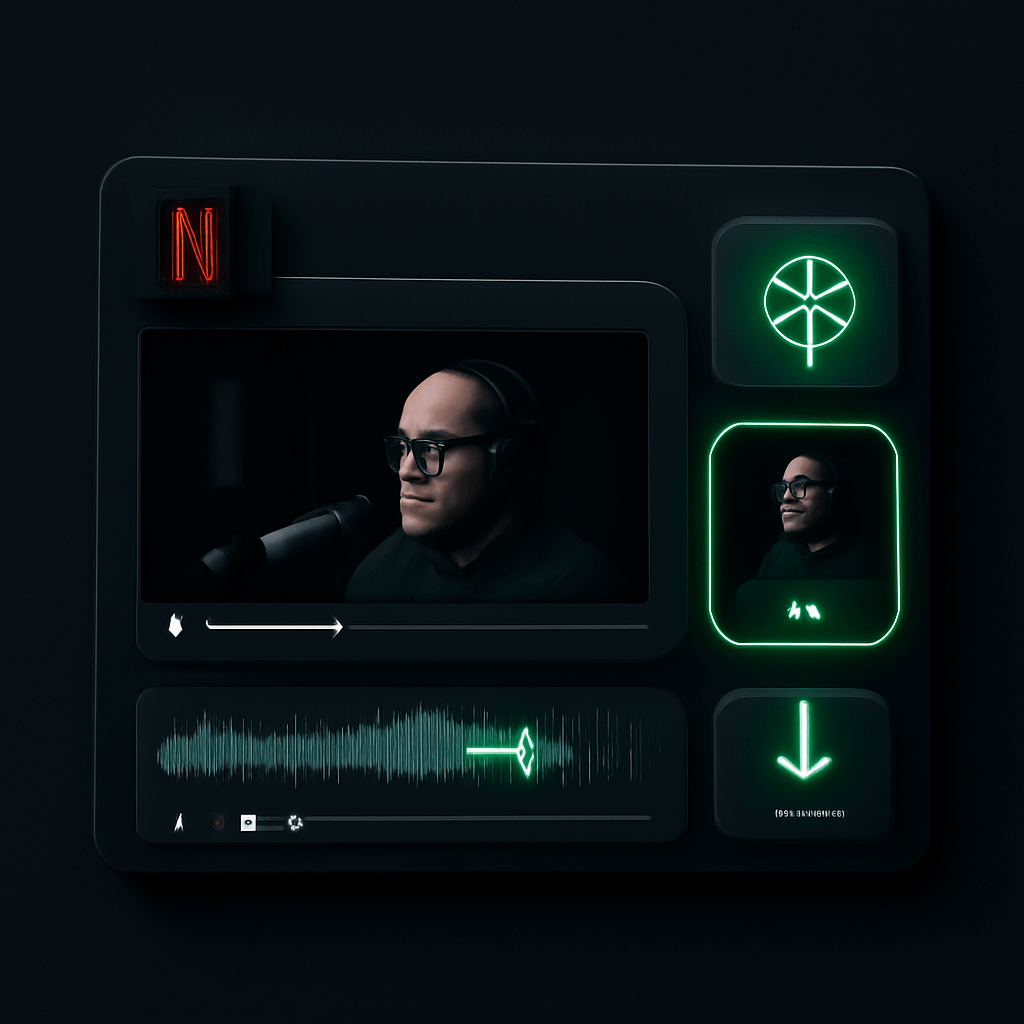
Netflix just sent a clear message to podcasters: your clips belong to us, not YouTube. According to recent reporting from Tubefilter, Netflix has implemented strict policies preventing podcasters who appear on their platform from clipping and distributing content on YouTube. This Netflix podcast clipping ban highlights a growing tension in the creator economy and raises an urgent question for independent creators everywhere.

When platforms control your content distribution, they control your audience growth. This policy shift reveals why creators in 2026 must own their repurposing strategy and invest in AI video tools that keep them independent from restrictive platform policies.

What Netflix's Clipping Ban Actually Means for Creators

Netflix operates over a dozen YouTube channels, with its main English-language channel commanding 32 million subscribers and roughly 150 million monthly views. The streaming giant uses trailers, behind-the-scenes clips, and sneak peeks to funnel viewers toward its paid subscription service.

For podcasters who record shows for Netflix, this creates a significant problem. They cannot leverage their own appearances to grow their personal brands on YouTube. The content they helped create becomes locked behind Netflix's distribution strategy.

The Real Impact on Podcast Growth

Consider what this means practically:

  • Podcasters lose the ability to share viral moments from their own conversations
  • Guest appearances that could drive millions of views stay locked on Netflix
  • Cross-platform audience building becomes impossible for Netflix-produced content
  • Creators become dependent on Netflix's promotional decisions

This is not just a Netflix problem. It represents a broader pattern where platforms increasingly restrict how creators can repurpose and distribute content they helped produce.

Why Platform Dependency Is a Creator's Biggest Risk

The Netflix situation illuminates a fundamental vulnerability in modern content creation. When you rely on a single platform or partner for content distribution, you surrender control over your growth trajectory.

The Hidden Costs of Restricted Clipping

Podcast clips have become one of the most effective growth engines in digital media. Short-form video clips from long-form conversations regularly outperform the original content in terms of reach and engagement. When creators cannot clip their own content, they lose:

  • Discovery potential: Short clips introduce new audiences to your work
  • Algorithm advantages: Platforms favor consistent short-form posting
  • Revenue opportunities: Clips can be monetized across multiple platforms
  • Brand building: Memorable moments become shareable assets

The solution is not to avoid partnerships entirely. Instead, creators must build independent content pipelines that function regardless of any single platform's policies.

Building an Independent Content Repurposing Strategy

Ownership over your content workflow starts with the right tools and processes. Here is how to structure a repurposing strategy that keeps you in control.

Step 1: Record Everything You Own

Before partnering with any platform or network, clarify content rights. Whenever possible, maintain recording rights for your own appearances. This gives you raw material to work with regardless of partner restrictions.

Step 2: Invest in AI-Powered Clipping Tools

Manual clipping is time-intensive and inconsistent. AI video tools like OpusClip analyze long-form content and automatically identify the most engaging moments. This means you can transform a single recording into dozens of platform-ready clips without spending hours in editing software.

Step 3: Optimize for Multiple Platforms Simultaneously

Each social platform has different aspect ratio requirements, caption preferences, and optimal video lengths. Modern AI repurposing tools handle these variations automatically, reframing vertical for TikTok, square for Instagram, and landscape for YouTube.

Step 4: Maintain Consistent Branding

When clips come from your own pipeline, you control the visual identity. Brand kits ensure every piece of content features your colors, fonts, and logo placement. This consistency builds recognition across platforms.

How AI Video Tools Protect Creator Independence

The Netflix clipping ban makes one thing clear: creators who depend on platforms for content distribution are vulnerable to policy changes at any moment. AI video tools shift the power balance back toward creators.

Speed and Scale Without Compromise

OpusClip processes long-form videos and identifies clip-worthy moments using AI analysis. Instead of watching hours of footage to find shareable segments, creators receive curated selections ready for review and posting. This speed advantage means you can maintain posting consistency even when creating new long-form content.

Automatic Captions and Accessibility

Captions are no longer optional for social video. They improve watch time, accessibility, and algorithm performance. AI-generated captions eliminate the tedious work of manual transcription while maintaining accuracy across different speaking styles and accents.

Platform-Specific Optimization

A clip that performs well on YouTube Shorts may need different framing for TikTok or Instagram Reels. AI reframing tools automatically adjust the visual focus to keep speakers centered and text readable across aspect ratios. This multi-platform optimization happens without additional editing time.

Manual ClippingAI-Powered Clipping with OpusClip
Hours spent reviewing footageMinutes to receive AI-selected clips
Manual caption transcriptionAutomatic caption generation
Separate exports for each platformMulti-platform reframing in one workflow
Inconsistent branding across clipsBrand kit ensures visual consistency
Limited output volumeScale to dozens of clips per video

Common Mistakes When Building a Repurposing Workflow

Even with the right tools, creators often stumble on implementation. Avoid these pitfalls to maximize your content independence.

Mistake 1: Waiting for Platform Permission

Do not assume you can clip content later. Negotiate rights upfront or prioritize content you fully own. The Netflix situation shows how quickly access can be restricted.

Mistake 2: Treating All Platforms Identically

A 90-second clip might work on YouTube but fail on TikTok where shorter content often performs better. Use AI tools that automatically adjust length and format for each destination.

Mistake 3: Ignoring Caption Quality

Auto-generated captions require review. Errors in speaker names, technical terms, or brand mentions undermine professionalism. Build a quick review step into your workflow.

Mistake 4: Inconsistent Posting Schedules

Repurposing only works when you maintain consistency. AI clipping tools help by generating content in batches, giving you a library to schedule across weeks rather than scrambling daily.

Mistake 5: Neglecting Analytics

Track which clips perform best and why. AI tools can identify engaging moments, but your audience data reveals what actually resonates. Use this feedback to refine future content.

A Quick-Start Guide to AI Video Clipping

Ready to build your independent repurposing pipeline? Follow these steps to get started with AI-powered clipping.

Step 1: Upload Your Long-Form Content

Start with a podcast episode, webinar recording, or any video over 10 minutes. OpusClip accepts various formats and processes content quickly.

Step 2: Let AI Identify Key Moments

The AI analyzes speech patterns, emotional peaks, and topic transitions to surface the most clip-worthy segments. Review the suggestions and select your favorites.

Step 3: Apply Your Brand Kit

Add your logo, brand colors, and preferred caption styles. This ensures every clip maintains visual consistency with your broader content presence.

Step 4: Generate Multi-Platform Versions

Export clips in formats optimized for YouTube Shorts, TikTok, Instagram Reels, and LinkedIn. AI reframing keeps the focus on speakers regardless of aspect ratio.

Step 5: Schedule and Distribute

Use your preferred scheduling tool to maintain consistent posting. With a library of clips ready, you can plan weeks of content from a single recording session.

Step 6: Analyze and Iterate

Monitor performance across platforms. Note which topics, formats, and lengths drive the most engagement. Feed these insights back into your content creation process.

Key Takeaways

  • Platform policies can change overnight: Netflix's clipping ban shows how quickly creators can lose distribution access
  • Content ownership is non-negotiable: Prioritize recording rights and independent distribution channels
  • AI tools enable scale: Manual clipping cannot match the volume needed for multi-platform growth
  • Consistency builds audiences: Repurposing pipelines ensure you always have content ready to post
  • Brand control matters: Your clips should reinforce your visual identity across every platform
  • Independence protects your business: Creators who own their workflow survive platform policy shifts

Frequently Asked Questions

Why did Netflix ban podcast clipping on YouTube?

Netflix uses its YouTube channels strategically to drive subscriptions to its paid streaming service. By preventing podcasters from clipping their Netflix appearances, the company maintains exclusive control over how that content reaches audiences. This allows Netflix to maximize the promotional value of clips while keeping viewers within their ecosystem rather than building independent creator channels.

How can creators protect themselves from similar platform restrictions?

Creators should negotiate content rights before any partnership and prioritize projects where they maintain clipping and distribution rights. Building an independent repurposing workflow using AI video tools like OpusClip ensures you always have content to distribute regardless of partner restrictions. Diversifying across multiple content sources reduces dependency on any single platform or partnership.

What makes AI clipping tools better than manual editing for podcasters?

AI clipping tools like OpusClip analyze hours of content in minutes, identifying engaging moments that would take humans much longer to find. They automatically generate captions, reframe for multiple aspect ratios, and apply consistent branding. This efficiency allows podcasters to produce dozens of clips from each episode, maintaining the posting frequency algorithms reward without spending hours in editing software.

How do AI-generated captions improve clip performance on social platforms?

Most social video is watched without sound, making captions essential for engagement. AI-generated captions from OpusClip ensure viewers can follow your content in any environment. Captions also improve accessibility for deaf and hard-of-hearing audiences, boost watch time metrics that algorithms favor, and help with content indexing for search discovery across platforms.

Can OpusClip help maintain brand consistency across different social platforms?

OpusClip's brand kit feature allows creators to save their logo, color palette, fonts, and caption styles. These elements are automatically applied to every clip generated, ensuring visual consistency whether content appears on TikTok, YouTube Shorts, Instagram Reels, or LinkedIn. This consistency builds brand recognition and professional presentation across your entire content presence.

What types of long-form content work best for AI-powered repurposing?

Podcasts, interviews, webinars, live streams, and educational videos all work excellently with AI clipping tools. OpusClip performs best with content featuring clear speech, distinct topic segments, and moments of emotional engagement or insight. Videos with multiple speakers, Q&A sections, or storytelling elements typically yield the highest number of quality clips for repurposing.

What to Do Next

The Netflix clipping ban is a wake-up call for every creator who depends on platforms for content distribution. Building your own AI-powered repurposing workflow is no longer optional. It is essential for sustainable growth and creative independence. Start building your content pipeline today by trying OpusClip at opus.pro and take control of your distribution strategy before the next policy change affects your reach.
On this page

Use our Free Forever Plan

Create and post one short video every day for free, and grow faster.

Netflix Bans Podcast Clipping on YouTube: Why Creators Need AI Tools

Netflix Bans Podcast Clipping on YouTube: Why Creators Need Their Own AI Video Tools

Netflix just sent a clear message to podcasters: your clips belong to us, not YouTube. According to recent reporting from Tubefilter, Netflix has implemented strict policies preventing podcasters who appear on their platform from clipping and distributing content on YouTube. This Netflix podcast clipping ban highlights a growing tension in the creator economy and raises an urgent question for independent creators everywhere.

When platforms control your content distribution, they control your audience growth. This policy shift reveals why creators in 2026 must own their repurposing strategy and invest in AI video tools that keep them independent from restrictive platform policies.

What Netflix's Clipping Ban Actually Means for Creators

Netflix operates over a dozen YouTube channels, with its main English-language channel commanding 32 million subscribers and roughly 150 million monthly views. The streaming giant uses trailers, behind-the-scenes clips, and sneak peeks to funnel viewers toward its paid subscription service.

For podcasters who record shows for Netflix, this creates a significant problem. They cannot leverage their own appearances to grow their personal brands on YouTube. The content they helped create becomes locked behind Netflix's distribution strategy.

The Real Impact on Podcast Growth

Consider what this means practically:

  • Podcasters lose the ability to share viral moments from their own conversations
  • Guest appearances that could drive millions of views stay locked on Netflix
  • Cross-platform audience building becomes impossible for Netflix-produced content
  • Creators become dependent on Netflix's promotional decisions

This is not just a Netflix problem. It represents a broader pattern where platforms increasingly restrict how creators can repurpose and distribute content they helped produce.

Why Platform Dependency Is a Creator's Biggest Risk

The Netflix situation illuminates a fundamental vulnerability in modern content creation. When you rely on a single platform or partner for content distribution, you surrender control over your growth trajectory.

The Hidden Costs of Restricted Clipping

Podcast clips have become one of the most effective growth engines in digital media. Short-form video clips from long-form conversations regularly outperform the original content in terms of reach and engagement. When creators cannot clip their own content, they lose:

  • Discovery potential: Short clips introduce new audiences to your work
  • Algorithm advantages: Platforms favor consistent short-form posting
  • Revenue opportunities: Clips can be monetized across multiple platforms
  • Brand building: Memorable moments become shareable assets

The solution is not to avoid partnerships entirely. Instead, creators must build independent content pipelines that function regardless of any single platform's policies.

Building an Independent Content Repurposing Strategy

Ownership over your content workflow starts with the right tools and processes. Here is how to structure a repurposing strategy that keeps you in control.

Step 1: Record Everything You Own

Before partnering with any platform or network, clarify content rights. Whenever possible, maintain recording rights for your own appearances. This gives you raw material to work with regardless of partner restrictions.

Step 2: Invest in AI-Powered Clipping Tools

Manual clipping is time-intensive and inconsistent. AI video tools like OpusClip analyze long-form content and automatically identify the most engaging moments. This means you can transform a single recording into dozens of platform-ready clips without spending hours in editing software.

Step 3: Optimize for Multiple Platforms Simultaneously

Each social platform has different aspect ratio requirements, caption preferences, and optimal video lengths. Modern AI repurposing tools handle these variations automatically, reframing vertical for TikTok, square for Instagram, and landscape for YouTube.

Step 4: Maintain Consistent Branding

When clips come from your own pipeline, you control the visual identity. Brand kits ensure every piece of content features your colors, fonts, and logo placement. This consistency builds recognition across platforms.

How AI Video Tools Protect Creator Independence

The Netflix clipping ban makes one thing clear: creators who depend on platforms for content distribution are vulnerable to policy changes at any moment. AI video tools shift the power balance back toward creators.

Speed and Scale Without Compromise

OpusClip processes long-form videos and identifies clip-worthy moments using AI analysis. Instead of watching hours of footage to find shareable segments, creators receive curated selections ready for review and posting. This speed advantage means you can maintain posting consistency even when creating new long-form content.

Automatic Captions and Accessibility

Captions are no longer optional for social video. They improve watch time, accessibility, and algorithm performance. AI-generated captions eliminate the tedious work of manual transcription while maintaining accuracy across different speaking styles and accents.

Platform-Specific Optimization

A clip that performs well on YouTube Shorts may need different framing for TikTok or Instagram Reels. AI reframing tools automatically adjust the visual focus to keep speakers centered and text readable across aspect ratios. This multi-platform optimization happens without additional editing time.

Manual ClippingAI-Powered Clipping with OpusClip
Hours spent reviewing footageMinutes to receive AI-selected clips
Manual caption transcriptionAutomatic caption generation
Separate exports for each platformMulti-platform reframing in one workflow
Inconsistent branding across clipsBrand kit ensures visual consistency
Limited output volumeScale to dozens of clips per video

Common Mistakes When Building a Repurposing Workflow

Even with the right tools, creators often stumble on implementation. Avoid these pitfalls to maximize your content independence.

Mistake 1: Waiting for Platform Permission

Do not assume you can clip content later. Negotiate rights upfront or prioritize content you fully own. The Netflix situation shows how quickly access can be restricted.

Mistake 2: Treating All Platforms Identically

A 90-second clip might work on YouTube but fail on TikTok where shorter content often performs better. Use AI tools that automatically adjust length and format for each destination.

Mistake 3: Ignoring Caption Quality

Auto-generated captions require review. Errors in speaker names, technical terms, or brand mentions undermine professionalism. Build a quick review step into your workflow.

Mistake 4: Inconsistent Posting Schedules

Repurposing only works when you maintain consistency. AI clipping tools help by generating content in batches, giving you a library to schedule across weeks rather than scrambling daily.

Mistake 5: Neglecting Analytics

Track which clips perform best and why. AI tools can identify engaging moments, but your audience data reveals what actually resonates. Use this feedback to refine future content.

A Quick-Start Guide to AI Video Clipping

Ready to build your independent repurposing pipeline? Follow these steps to get started with AI-powered clipping.

Step 1: Upload Your Long-Form Content

Start with a podcast episode, webinar recording, or any video over 10 minutes. OpusClip accepts various formats and processes content quickly.

Step 2: Let AI Identify Key Moments

The AI analyzes speech patterns, emotional peaks, and topic transitions to surface the most clip-worthy segments. Review the suggestions and select your favorites.

Step 3: Apply Your Brand Kit

Add your logo, brand colors, and preferred caption styles. This ensures every clip maintains visual consistency with your broader content presence.

Step 4: Generate Multi-Platform Versions

Export clips in formats optimized for YouTube Shorts, TikTok, Instagram Reels, and LinkedIn. AI reframing keeps the focus on speakers regardless of aspect ratio.

Step 5: Schedule and Distribute

Use your preferred scheduling tool to maintain consistent posting. With a library of clips ready, you can plan weeks of content from a single recording session.

Step 6: Analyze and Iterate

Monitor performance across platforms. Note which topics, formats, and lengths drive the most engagement. Feed these insights back into your content creation process.

Key Takeaways

  • Platform policies can change overnight: Netflix's clipping ban shows how quickly creators can lose distribution access
  • Content ownership is non-negotiable: Prioritize recording rights and independent distribution channels
  • AI tools enable scale: Manual clipping cannot match the volume needed for multi-platform growth
  • Consistency builds audiences: Repurposing pipelines ensure you always have content ready to post
  • Brand control matters: Your clips should reinforce your visual identity across every platform
  • Independence protects your business: Creators who own their workflow survive platform policy shifts

Frequently Asked Questions

Why did Netflix ban podcast clipping on YouTube?

Netflix uses its YouTube channels strategically to drive subscriptions to its paid streaming service. By preventing podcasters from clipping their Netflix appearances, the company maintains exclusive control over how that content reaches audiences. This allows Netflix to maximize the promotional value of clips while keeping viewers within their ecosystem rather than building independent creator channels.

How can creators protect themselves from similar platform restrictions?

Creators should negotiate content rights before any partnership and prioritize projects where they maintain clipping and distribution rights. Building an independent repurposing workflow using AI video tools like OpusClip ensures you always have content to distribute regardless of partner restrictions. Diversifying across multiple content sources reduces dependency on any single platform or partnership.

What makes AI clipping tools better than manual editing for podcasters?

AI clipping tools like OpusClip analyze hours of content in minutes, identifying engaging moments that would take humans much longer to find. They automatically generate captions, reframe for multiple aspect ratios, and apply consistent branding. This efficiency allows podcasters to produce dozens of clips from each episode, maintaining the posting frequency algorithms reward without spending hours in editing software.

How do AI-generated captions improve clip performance on social platforms?

Most social video is watched without sound, making captions essential for engagement. AI-generated captions from OpusClip ensure viewers can follow your content in any environment. Captions also improve accessibility for deaf and hard-of-hearing audiences, boost watch time metrics that algorithms favor, and help with content indexing for search discovery across platforms.

Can OpusClip help maintain brand consistency across different social platforms?

OpusClip's brand kit feature allows creators to save their logo, color palette, fonts, and caption styles. These elements are automatically applied to every clip generated, ensuring visual consistency whether content appears on TikTok, YouTube Shorts, Instagram Reels, or LinkedIn. This consistency builds brand recognition and professional presentation across your entire content presence.

What types of long-form content work best for AI-powered repurposing?

Podcasts, interviews, webinars, live streams, and educational videos all work excellently with AI clipping tools. OpusClip performs best with content featuring clear speech, distinct topic segments, and moments of emotional engagement or insight. Videos with multiple speakers, Q&A sections, or storytelling elements typically yield the highest number of quality clips for repurposing.

What to Do Next

The Netflix clipping ban is a wake-up call for every creator who depends on platforms for content distribution. Building your own AI-powered repurposing workflow is no longer optional. It is essential for sustainable growth and creative independence. Start building your content pipeline today by trying OpusClip at opus.pro and take control of your distribution strategy before the next policy change affects your reach.

Creator name

Creator type

Team size

Channels

linkYouTubefacebookXTikTok

Pain point

Time to see positive ROI

About the creator

Don't miss these

How All the Smoke makes hit compilations faster with OpusSearch

How All the Smoke makes hit compilations faster with OpusSearch

Growing a new channel to 1.5M views in 90 days without creating new videos

Growing a new channel to 1.5M views in 90 days without creating new videos

Turning old videos into new hits: How KFC Radio drives 43% more views with a new YouTube strategy

Turning old videos into new hits: How KFC Radio drives 43% more views with a new YouTube strategy

Netflix Bans Podcast Clipping on YouTube: Why Creators Need AI Tools

Netflix Bans Podcast Clipping on YouTube: Why Creators Need AI Tools
No items found.
No items found.

Boost your social media growth with OpusClip

Create and post one short video every day for your social media and grow faster.

Netflix Bans Podcast Clipping on YouTube: Why Creators Need AI Tools

Netflix Bans Podcast Clipping on YouTube: Why Creators Need AI Tools

Netflix Bans Podcast Clipping on YouTube: Why Creators Need Their Own AI Video Tools

Netflix just sent a clear message to podcasters: your clips belong to us, not YouTube. According to recent reporting from Tubefilter, Netflix has implemented strict policies preventing podcasters who appear on their platform from clipping and distributing content on YouTube. This Netflix podcast clipping ban highlights a growing tension in the creator economy and raises an urgent question for independent creators everywhere.

When platforms control your content distribution, they control your audience growth. This policy shift reveals why creators in 2026 must own their repurposing strategy and invest in AI video tools that keep them independent from restrictive platform policies.

What Netflix's Clipping Ban Actually Means for Creators

Netflix operates over a dozen YouTube channels, with its main English-language channel commanding 32 million subscribers and roughly 150 million monthly views. The streaming giant uses trailers, behind-the-scenes clips, and sneak peeks to funnel viewers toward its paid subscription service.

For podcasters who record shows for Netflix, this creates a significant problem. They cannot leverage their own appearances to grow their personal brands on YouTube. The content they helped create becomes locked behind Netflix's distribution strategy.

The Real Impact on Podcast Growth

Consider what this means practically:

  • Podcasters lose the ability to share viral moments from their own conversations
  • Guest appearances that could drive millions of views stay locked on Netflix
  • Cross-platform audience building becomes impossible for Netflix-produced content
  • Creators become dependent on Netflix's promotional decisions

This is not just a Netflix problem. It represents a broader pattern where platforms increasingly restrict how creators can repurpose and distribute content they helped produce.

Why Platform Dependency Is a Creator's Biggest Risk

The Netflix situation illuminates a fundamental vulnerability in modern content creation. When you rely on a single platform or partner for content distribution, you surrender control over your growth trajectory.

The Hidden Costs of Restricted Clipping

Podcast clips have become one of the most effective growth engines in digital media. Short-form video clips from long-form conversations regularly outperform the original content in terms of reach and engagement. When creators cannot clip their own content, they lose:

  • Discovery potential: Short clips introduce new audiences to your work
  • Algorithm advantages: Platforms favor consistent short-form posting
  • Revenue opportunities: Clips can be monetized across multiple platforms
  • Brand building: Memorable moments become shareable assets

The solution is not to avoid partnerships entirely. Instead, creators must build independent content pipelines that function regardless of any single platform's policies.

Building an Independent Content Repurposing Strategy

Ownership over your content workflow starts with the right tools and processes. Here is how to structure a repurposing strategy that keeps you in control.

Step 1: Record Everything You Own

Before partnering with any platform or network, clarify content rights. Whenever possible, maintain recording rights for your own appearances. This gives you raw material to work with regardless of partner restrictions.

Step 2: Invest in AI-Powered Clipping Tools

Manual clipping is time-intensive and inconsistent. AI video tools like OpusClip analyze long-form content and automatically identify the most engaging moments. This means you can transform a single recording into dozens of platform-ready clips without spending hours in editing software.

Step 3: Optimize for Multiple Platforms Simultaneously

Each social platform has different aspect ratio requirements, caption preferences, and optimal video lengths. Modern AI repurposing tools handle these variations automatically, reframing vertical for TikTok, square for Instagram, and landscape for YouTube.

Step 4: Maintain Consistent Branding

When clips come from your own pipeline, you control the visual identity. Brand kits ensure every piece of content features your colors, fonts, and logo placement. This consistency builds recognition across platforms.

How AI Video Tools Protect Creator Independence

The Netflix clipping ban makes one thing clear: creators who depend on platforms for content distribution are vulnerable to policy changes at any moment. AI video tools shift the power balance back toward creators.

Speed and Scale Without Compromise

OpusClip processes long-form videos and identifies clip-worthy moments using AI analysis. Instead of watching hours of footage to find shareable segments, creators receive curated selections ready for review and posting. This speed advantage means you can maintain posting consistency even when creating new long-form content.

Automatic Captions and Accessibility

Captions are no longer optional for social video. They improve watch time, accessibility, and algorithm performance. AI-generated captions eliminate the tedious work of manual transcription while maintaining accuracy across different speaking styles and accents.

Platform-Specific Optimization

A clip that performs well on YouTube Shorts may need different framing for TikTok or Instagram Reels. AI reframing tools automatically adjust the visual focus to keep speakers centered and text readable across aspect ratios. This multi-platform optimization happens without additional editing time.

Manual ClippingAI-Powered Clipping with OpusClip
Hours spent reviewing footageMinutes to receive AI-selected clips
Manual caption transcriptionAutomatic caption generation
Separate exports for each platformMulti-platform reframing in one workflow
Inconsistent branding across clipsBrand kit ensures visual consistency
Limited output volumeScale to dozens of clips per video

Common Mistakes When Building a Repurposing Workflow

Even with the right tools, creators often stumble on implementation. Avoid these pitfalls to maximize your content independence.

Mistake 1: Waiting for Platform Permission

Do not assume you can clip content later. Negotiate rights upfront or prioritize content you fully own. The Netflix situation shows how quickly access can be restricted.

Mistake 2: Treating All Platforms Identically

A 90-second clip might work on YouTube but fail on TikTok where shorter content often performs better. Use AI tools that automatically adjust length and format for each destination.

Mistake 3: Ignoring Caption Quality

Auto-generated captions require review. Errors in speaker names, technical terms, or brand mentions undermine professionalism. Build a quick review step into your workflow.

Mistake 4: Inconsistent Posting Schedules

Repurposing only works when you maintain consistency. AI clipping tools help by generating content in batches, giving you a library to schedule across weeks rather than scrambling daily.

Mistake 5: Neglecting Analytics

Track which clips perform best and why. AI tools can identify engaging moments, but your audience data reveals what actually resonates. Use this feedback to refine future content.

A Quick-Start Guide to AI Video Clipping

Ready to build your independent repurposing pipeline? Follow these steps to get started with AI-powered clipping.

Step 1: Upload Your Long-Form Content

Start with a podcast episode, webinar recording, or any video over 10 minutes. OpusClip accepts various formats and processes content quickly.

Step 2: Let AI Identify Key Moments

The AI analyzes speech patterns, emotional peaks, and topic transitions to surface the most clip-worthy segments. Review the suggestions and select your favorites.

Step 3: Apply Your Brand Kit

Add your logo, brand colors, and preferred caption styles. This ensures every clip maintains visual consistency with your broader content presence.

Step 4: Generate Multi-Platform Versions

Export clips in formats optimized for YouTube Shorts, TikTok, Instagram Reels, and LinkedIn. AI reframing keeps the focus on speakers regardless of aspect ratio.

Step 5: Schedule and Distribute

Use your preferred scheduling tool to maintain consistent posting. With a library of clips ready, you can plan weeks of content from a single recording session.

Step 6: Analyze and Iterate

Monitor performance across platforms. Note which topics, formats, and lengths drive the most engagement. Feed these insights back into your content creation process.

Key Takeaways

  • Platform policies can change overnight: Netflix's clipping ban shows how quickly creators can lose distribution access
  • Content ownership is non-negotiable: Prioritize recording rights and independent distribution channels
  • AI tools enable scale: Manual clipping cannot match the volume needed for multi-platform growth
  • Consistency builds audiences: Repurposing pipelines ensure you always have content ready to post
  • Brand control matters: Your clips should reinforce your visual identity across every platform
  • Independence protects your business: Creators who own their workflow survive platform policy shifts

Frequently Asked Questions

Why did Netflix ban podcast clipping on YouTube?

Netflix uses its YouTube channels strategically to drive subscriptions to its paid streaming service. By preventing podcasters from clipping their Netflix appearances, the company maintains exclusive control over how that content reaches audiences. This allows Netflix to maximize the promotional value of clips while keeping viewers within their ecosystem rather than building independent creator channels.

How can creators protect themselves from similar platform restrictions?

Creators should negotiate content rights before any partnership and prioritize projects where they maintain clipping and distribution rights. Building an independent repurposing workflow using AI video tools like OpusClip ensures you always have content to distribute regardless of partner restrictions. Diversifying across multiple content sources reduces dependency on any single platform or partnership.

What makes AI clipping tools better than manual editing for podcasters?

AI clipping tools like OpusClip analyze hours of content in minutes, identifying engaging moments that would take humans much longer to find. They automatically generate captions, reframe for multiple aspect ratios, and apply consistent branding. This efficiency allows podcasters to produce dozens of clips from each episode, maintaining the posting frequency algorithms reward without spending hours in editing software.

How do AI-generated captions improve clip performance on social platforms?

Most social video is watched without sound, making captions essential for engagement. AI-generated captions from OpusClip ensure viewers can follow your content in any environment. Captions also improve accessibility for deaf and hard-of-hearing audiences, boost watch time metrics that algorithms favor, and help with content indexing for search discovery across platforms.

Can OpusClip help maintain brand consistency across different social platforms?

OpusClip's brand kit feature allows creators to save their logo, color palette, fonts, and caption styles. These elements are automatically applied to every clip generated, ensuring visual consistency whether content appears on TikTok, YouTube Shorts, Instagram Reels, or LinkedIn. This consistency builds brand recognition and professional presentation across your entire content presence.

What types of long-form content work best for AI-powered repurposing?

Podcasts, interviews, webinars, live streams, and educational videos all work excellently with AI clipping tools. OpusClip performs best with content featuring clear speech, distinct topic segments, and moments of emotional engagement or insight. Videos with multiple speakers, Q&A sections, or storytelling elements typically yield the highest number of quality clips for repurposing.

What to Do Next

The Netflix clipping ban is a wake-up call for every creator who depends on platforms for content distribution. Building your own AI-powered repurposing workflow is no longer optional. It is essential for sustainable growth and creative independence. Start building your content pipeline today by trying OpusClip at opus.pro and take control of your distribution strategy before the next policy change affects your reach.

Ready to start streaming differently?

Opus is completely FREE for one year for all private beta users. You can get access to all our premium features during this period. We also offer free support for production, studio design, and content repurposing to help you grow.
Join the beta
Limited spots remaining

Try OPUS today

Try Opus Studio

Make your live stream your Magnum Opus