How to Build a Winning Short-Form Video Strategy in 2026

February 17, 2026

How to Build a Winning Short-Form Video Strategy in 2026

Short-form video dominates digital marketing in 2026, yet most creators and brands still struggle to produce enough content to stay visible. The problem is not a lack of ideas. It is the sheer volume required to compete on TikTok, Instagram Reels, YouTube Shorts, and LinkedIn. A winning short-form video strategy now demands efficiency, consistency, and smart repurposing rather than endless original production. This guide breaks down exactly how to build that strategy, avoid common pitfalls, and leverage AI-powered tools like OpusClip to multiply your output without burning out.

Why Short-Form Video Matters More Than Ever in 2026

Platform algorithms continue to favor short, engaging clips over static posts and long-form content. Users scroll faster, attention spans shrink, and the creators who win are those who show up daily with fresh, relevant videos.

The Numbers Behind the Trend

  • Short-form video generates 2.5 times more engagement than image posts on average
  • Over 80% of marketers now prioritize video content in their strategies
  • Platforms like TikTok and YouTube Shorts have surpassed traditional social feeds in daily active usage among Gen Z and Millennials

What This Means for Your Brand

If you are not producing short-form video consistently, you are invisible to a growing segment of your audience. But consistency does not mean creating everything from scratch. The smartest creators repurpose existing long-form content into dozens of clips, maximizing reach while minimizing production time.

Core Elements of a 2026 Short-Form Video Strategy

Building a sustainable strategy requires more than posting random clips. You need a framework that covers content pillars, platform optimization, and a scalable production workflow.

1. Define Your Content Pillars

Content pillars are the three to five core themes your brand consistently covers. They keep your messaging focused and help audiences know what to expect. Examples include:

  • Educational tutorials or how-to guides
  • Behind-the-scenes glimpses of your process
  • Industry news and commentary
  • Customer success stories or case studies
  • Product tips and feature highlights

2. Optimize for Each Platform

A clip that performs well on TikTok may need adjustments for YouTube Shorts or Instagram Reels. Consider these differences:

  • TikTok: Trend-driven, casual tone, music and effects encouraged
  • YouTube Shorts: Searchable, evergreen content performs well, strong hooks matter
  • Instagram Reels: Polished visuals, brand aesthetics, cross-promotion with Stories
  • LinkedIn: Professional tone, thought leadership, captions essential for silent viewing

3. Build a Repurposing Workflow

The most efficient creators start with one long-form piece, such as a podcast, webinar, or YouTube video, and extract multiple short clips. This approach saves hours of production time and ensures a steady content pipeline.

How AI Repurposing Tools Transform Your Output

Manual clipping is tedious and time-consuming. AI-powered tools like OpusClip analyze your long-form videos, identify the most engaging moments, and automatically generate short clips ready for posting.

Key Features That Save Time

  • Automatic highlight detection: AI scans for hooks, emotional peaks, and quotable moments
  • Auto-captions: Captions are added instantly, improving accessibility and watch time
  • Smart reframing: Vertical and square formats are generated automatically from horizontal footage
  • Brand kits: Apply consistent colors, fonts, and logos across all clips

Real-World Impact

A single 30-minute podcast episode can yield 10 to 15 short clips using OpusClip. Instead of spending hours editing, you review AI-generated clips, make minor tweaks, and schedule them across platforms. This workflow turns one piece of content into weeks of social posts.

Step-by-Step: Building Your Short-Form Video Workflow

Follow these steps to create a repeatable system that scales your video output without overwhelming your team.

Step 1: Audit Your Existing Content

Review your library of podcasts, webinars, interviews, and YouTube videos. Identify pieces with strong moments, clear takeaways, or emotional highlights that can stand alone as clips.

Step 2: Choose Your Repurposing Tool

Select an AI clipping tool that fits your needs. OpusClip is designed specifically for turning long videos into short, platform-ready clips with captions and reframing built in.

Step 3: Upload and Let AI Work

Upload your long-form video to OpusClip. The AI analyzes the content and generates a batch of suggested clips ranked by predicted engagement.

Step 4: Review and Customize

Watch the suggested clips. Trim start and end points if needed, adjust captions, and apply your brand kit for visual consistency.

Step 5: Schedule Across Platforms

Export clips in the correct aspect ratios for each platform. Use a scheduling tool or post directly to TikTok, Reels, Shorts, and LinkedIn.

Step 6: Analyze and Iterate

Track performance metrics for each clip. Note which topics, formats, and hooks drive the most engagement. Feed these insights back into your content planning.

Common Mistakes to Avoid

Even experienced creators fall into traps that limit their short-form video success. Watch out for these pitfalls:

  • Posting without captions: Most viewers watch on mute. Captions are not optional.
  • Ignoring platform differences: A one-size-fits-all approach hurts performance. Tailor clips to each platform.
  • Inconsistent posting: Algorithms reward consistency. Sporadic uploads tank your reach.
  • Skipping the hook: The first two seconds determine whether viewers stay or scroll. Lead with your strongest moment.
  • Over-editing: Authenticity wins. Over-polished clips can feel sterile and disconnected.

Pro Tips for Maximizing Engagement

  • Test different hooks on the same clip to see which performs best
  • Repurpose top-performing clips into new formats, such as carousels or quote graphics
  • Batch your content creation to maintain consistency without daily production stress
  • Use trending sounds and formats on TikTok, but adapt them to your brand voice
  • Engage with comments quickly to boost algorithmic visibility

Key Takeaways

  • Short-form video is essential for visibility in 2026, but volume is the challenge
  • Repurposing long-form content into clips is the most efficient strategy
  • AI tools like OpusClip automate clipping, captioning, and reframing to save hours
  • Platform-specific optimization improves performance across TikTok, Reels, Shorts, and LinkedIn
  • Consistency, strong hooks, and captions are non-negotiable for engagement

Frequently Asked Questions

How many short-form videos should I post per week in 2026?

Most successful creators and brands post at least five to seven short-form videos per week across platforms. Consistency matters more than perfection. Using a repurposing tool like OpusClip allows you to generate multiple clips from a single long-form video, making this volume achievable without a large production team. Start with three to five posts weekly and scale as your workflow improves.

What is the ideal length for short-form video content?

The sweet spot for short-form video in 2026 is between 30 and 60 seconds. This length is long enough to deliver value but short enough to retain attention. TikTok and YouTube Shorts favor clips under 60 seconds for algorithmic boosts. OpusClip automatically identifies the best segments from your long-form content and trims them to optimal lengths for each platform.

How do I repurpose a podcast into short-form video clips?

Upload your podcast video or audiogram to OpusClip. The AI scans for high-engagement moments, such as strong opinions, emotional peaks, or actionable tips. It then generates a batch of clips with auto-captions and vertical formatting. Review the suggestions, apply your brand kit, and export clips ready for TikTok, Reels, and Shorts. One episode can yield 10 or more clips.

Why are captions so important for short-form video?

Over 80% of social media users watch videos without sound, especially on mobile. Captions ensure your message reaches viewers regardless of their audio settings. They also improve accessibility and can boost watch time, which signals quality to platform algorithms. OpusClip adds accurate auto-captions to every clip, saving you manual transcription work.

Can I use the same clip on TikTok, Reels, and YouTube Shorts?

You can, but performance improves when you tailor clips to each platform. TikTok favors trending sounds and casual energy. YouTube Shorts rewards searchable, evergreen content. Instagram Reels prioritize polished visuals. OpusClip lets you export clips in multiple aspect ratios and adjust captions or branding for each destination, making cross-platform posting efficient.

How does OpusClip help with brand consistency across clips?

OpusClip includes a brand kit feature that lets you save your logo, colors, fonts, and intro or outro templates. Once configured, you can apply these elements to every clip with one click. This ensures all your short-form videos maintain a cohesive look, reinforcing brand recognition across TikTok, Instagram, YouTube, and LinkedIn.

What to Do Next

Building a winning short-form video strategy in 2026 comes down to smart repurposing, platform optimization, and consistent output. You do not need a massive production budget. You need a system that turns your existing content into a steady stream of engaging clips. Try OpusClip at opus.pro to see how AI-powered clipping, captions, and reframing can transform your workflow and help you show up everywhere your audience scrolls.
On this page

Use our Free Forever Plan

Create and post one short video every day for free, and grow faster.

How to Build a Winning Short-Form Video Strategy in 2026

How to Build a Winning Short-Form Video Strategy in 2026

Short-form video dominates digital marketing in 2026, yet most creators and brands still struggle to produce enough content to stay visible. The problem is not a lack of ideas. It is the sheer volume required to compete on TikTok, Instagram Reels, YouTube Shorts, and LinkedIn. A winning short-form video strategy now demands efficiency, consistency, and smart repurposing rather than endless original production. This guide breaks down exactly how to build that strategy, avoid common pitfalls, and leverage AI-powered tools like OpusClip to multiply your output without burning out.

Why Short-Form Video Matters More Than Ever in 2026

Platform algorithms continue to favor short, engaging clips over static posts and long-form content. Users scroll faster, attention spans shrink, and the creators who win are those who show up daily with fresh, relevant videos.

The Numbers Behind the Trend

  • Short-form video generates 2.5 times more engagement than image posts on average
  • Over 80% of marketers now prioritize video content in their strategies
  • Platforms like TikTok and YouTube Shorts have surpassed traditional social feeds in daily active usage among Gen Z and Millennials

What This Means for Your Brand

If you are not producing short-form video consistently, you are invisible to a growing segment of your audience. But consistency does not mean creating everything from scratch. The smartest creators repurpose existing long-form content into dozens of clips, maximizing reach while minimizing production time.

Core Elements of a 2026 Short-Form Video Strategy

Building a sustainable strategy requires more than posting random clips. You need a framework that covers content pillars, platform optimization, and a scalable production workflow.

1. Define Your Content Pillars

Content pillars are the three to five core themes your brand consistently covers. They keep your messaging focused and help audiences know what to expect. Examples include:

  • Educational tutorials or how-to guides
  • Behind-the-scenes glimpses of your process
  • Industry news and commentary
  • Customer success stories or case studies
  • Product tips and feature highlights

2. Optimize for Each Platform

A clip that performs well on TikTok may need adjustments for YouTube Shorts or Instagram Reels. Consider these differences:

  • TikTok: Trend-driven, casual tone, music and effects encouraged
  • YouTube Shorts: Searchable, evergreen content performs well, strong hooks matter
  • Instagram Reels: Polished visuals, brand aesthetics, cross-promotion with Stories
  • LinkedIn: Professional tone, thought leadership, captions essential for silent viewing

3. Build a Repurposing Workflow

The most efficient creators start with one long-form piece, such as a podcast, webinar, or YouTube video, and extract multiple short clips. This approach saves hours of production time and ensures a steady content pipeline.

How AI Repurposing Tools Transform Your Output

Manual clipping is tedious and time-consuming. AI-powered tools like OpusClip analyze your long-form videos, identify the most engaging moments, and automatically generate short clips ready for posting.

Key Features That Save Time

  • Automatic highlight detection: AI scans for hooks, emotional peaks, and quotable moments
  • Auto-captions: Captions are added instantly, improving accessibility and watch time
  • Smart reframing: Vertical and square formats are generated automatically from horizontal footage
  • Brand kits: Apply consistent colors, fonts, and logos across all clips

Real-World Impact

A single 30-minute podcast episode can yield 10 to 15 short clips using OpusClip. Instead of spending hours editing, you review AI-generated clips, make minor tweaks, and schedule them across platforms. This workflow turns one piece of content into weeks of social posts.

Step-by-Step: Building Your Short-Form Video Workflow

Follow these steps to create a repeatable system that scales your video output without overwhelming your team.

Step 1: Audit Your Existing Content

Review your library of podcasts, webinars, interviews, and YouTube videos. Identify pieces with strong moments, clear takeaways, or emotional highlights that can stand alone as clips.

Step 2: Choose Your Repurposing Tool

Select an AI clipping tool that fits your needs. OpusClip is designed specifically for turning long videos into short, platform-ready clips with captions and reframing built in.

Step 3: Upload and Let AI Work

Upload your long-form video to OpusClip. The AI analyzes the content and generates a batch of suggested clips ranked by predicted engagement.

Step 4: Review and Customize

Watch the suggested clips. Trim start and end points if needed, adjust captions, and apply your brand kit for visual consistency.

Step 5: Schedule Across Platforms

Export clips in the correct aspect ratios for each platform. Use a scheduling tool or post directly to TikTok, Reels, Shorts, and LinkedIn.

Step 6: Analyze and Iterate

Track performance metrics for each clip. Note which topics, formats, and hooks drive the most engagement. Feed these insights back into your content planning.

Common Mistakes to Avoid

Even experienced creators fall into traps that limit their short-form video success. Watch out for these pitfalls:

  • Posting without captions: Most viewers watch on mute. Captions are not optional.
  • Ignoring platform differences: A one-size-fits-all approach hurts performance. Tailor clips to each platform.
  • Inconsistent posting: Algorithms reward consistency. Sporadic uploads tank your reach.
  • Skipping the hook: The first two seconds determine whether viewers stay or scroll. Lead with your strongest moment.
  • Over-editing: Authenticity wins. Over-polished clips can feel sterile and disconnected.

Pro Tips for Maximizing Engagement

  • Test different hooks on the same clip to see which performs best
  • Repurpose top-performing clips into new formats, such as carousels or quote graphics
  • Batch your content creation to maintain consistency without daily production stress
  • Use trending sounds and formats on TikTok, but adapt them to your brand voice
  • Engage with comments quickly to boost algorithmic visibility

Key Takeaways

  • Short-form video is essential for visibility in 2026, but volume is the challenge
  • Repurposing long-form content into clips is the most efficient strategy
  • AI tools like OpusClip automate clipping, captioning, and reframing to save hours
  • Platform-specific optimization improves performance across TikTok, Reels, Shorts, and LinkedIn
  • Consistency, strong hooks, and captions are non-negotiable for engagement

Frequently Asked Questions

How many short-form videos should I post per week in 2026?

Most successful creators and brands post at least five to seven short-form videos per week across platforms. Consistency matters more than perfection. Using a repurposing tool like OpusClip allows you to generate multiple clips from a single long-form video, making this volume achievable without a large production team. Start with three to five posts weekly and scale as your workflow improves.

What is the ideal length for short-form video content?

The sweet spot for short-form video in 2026 is between 30 and 60 seconds. This length is long enough to deliver value but short enough to retain attention. TikTok and YouTube Shorts favor clips under 60 seconds for algorithmic boosts. OpusClip automatically identifies the best segments from your long-form content and trims them to optimal lengths for each platform.

How do I repurpose a podcast into short-form video clips?

Upload your podcast video or audiogram to OpusClip. The AI scans for high-engagement moments, such as strong opinions, emotional peaks, or actionable tips. It then generates a batch of clips with auto-captions and vertical formatting. Review the suggestions, apply your brand kit, and export clips ready for TikTok, Reels, and Shorts. One episode can yield 10 or more clips.

Why are captions so important for short-form video?

Over 80% of social media users watch videos without sound, especially on mobile. Captions ensure your message reaches viewers regardless of their audio settings. They also improve accessibility and can boost watch time, which signals quality to platform algorithms. OpusClip adds accurate auto-captions to every clip, saving you manual transcription work.

Can I use the same clip on TikTok, Reels, and YouTube Shorts?

You can, but performance improves when you tailor clips to each platform. TikTok favors trending sounds and casual energy. YouTube Shorts rewards searchable, evergreen content. Instagram Reels prioritize polished visuals. OpusClip lets you export clips in multiple aspect ratios and adjust captions or branding for each destination, making cross-platform posting efficient.

How does OpusClip help with brand consistency across clips?

OpusClip includes a brand kit feature that lets you save your logo, colors, fonts, and intro or outro templates. Once configured, you can apply these elements to every clip with one click. This ensures all your short-form videos maintain a cohesive look, reinforcing brand recognition across TikTok, Instagram, YouTube, and LinkedIn.

What to Do Next

Building a winning short-form video strategy in 2026 comes down to smart repurposing, platform optimization, and consistent output. You do not need a massive production budget. You need a system that turns your existing content into a steady stream of engaging clips. Try OpusClip at opus.pro to see how AI-powered clipping, captions, and reframing can transform your workflow and help you show up everywhere your audience scrolls.

Creator name

Creator type

Team size

Channels

linkYouTubefacebookXTikTok

Pain point

Time to see positive ROI

About the creator

Don't miss these

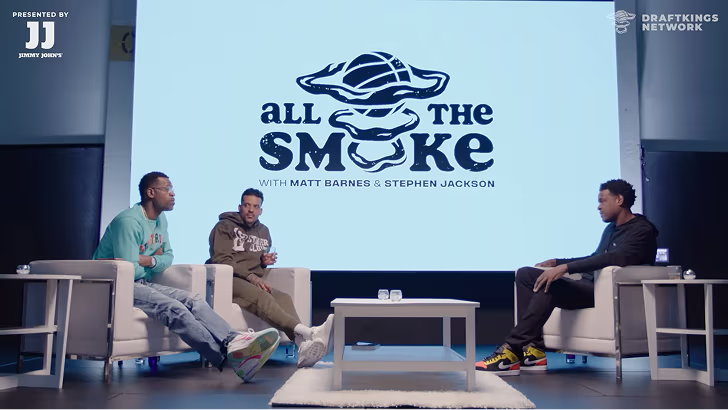
How All the Smoke makes hit compilations faster with OpusSearch

How All the Smoke makes hit compilations faster with OpusSearch

Growing a new channel to 1.5M views in 90 days without creating new videos

Growing a new channel to 1.5M views in 90 days without creating new videos

Turning old videos into new hits: How KFC Radio drives 43% more views with a new YouTube strategy

Turning old videos into new hits: How KFC Radio drives 43% more views with a new YouTube strategy

How to Build a Winning Short-Form Video Strategy in 2026

No items found.
No items found.

Boost your social media growth with OpusClip

Create and post one short video every day for your social media and grow faster.

How to Build a Winning Short-Form Video Strategy in 2026

How to Build a Winning Short-Form Video Strategy in 2026

Short-form video dominates digital marketing in 2026, yet most creators and brands still struggle to produce enough content to stay visible. The problem is not a lack of ideas. It is the sheer volume required to compete on TikTok, Instagram Reels, YouTube Shorts, and LinkedIn. A winning short-form video strategy now demands efficiency, consistency, and smart repurposing rather than endless original production. This guide breaks down exactly how to build that strategy, avoid common pitfalls, and leverage AI-powered tools like OpusClip to multiply your output without burning out.

Why Short-Form Video Matters More Than Ever in 2026

Platform algorithms continue to favor short, engaging clips over static posts and long-form content. Users scroll faster, attention spans shrink, and the creators who win are those who show up daily with fresh, relevant videos.

The Numbers Behind the Trend

  • Short-form video generates 2.5 times more engagement than image posts on average
  • Over 80% of marketers now prioritize video content in their strategies
  • Platforms like TikTok and YouTube Shorts have surpassed traditional social feeds in daily active usage among Gen Z and Millennials

What This Means for Your Brand

If you are not producing short-form video consistently, you are invisible to a growing segment of your audience. But consistency does not mean creating everything from scratch. The smartest creators repurpose existing long-form content into dozens of clips, maximizing reach while minimizing production time.

Core Elements of a 2026 Short-Form Video Strategy

Building a sustainable strategy requires more than posting random clips. You need a framework that covers content pillars, platform optimization, and a scalable production workflow.

1. Define Your Content Pillars

Content pillars are the three to five core themes your brand consistently covers. They keep your messaging focused and help audiences know what to expect. Examples include:

  • Educational tutorials or how-to guides
  • Behind-the-scenes glimpses of your process
  • Industry news and commentary
  • Customer success stories or case studies
  • Product tips and feature highlights

2. Optimize for Each Platform

A clip that performs well on TikTok may need adjustments for YouTube Shorts or Instagram Reels. Consider these differences:

  • TikTok: Trend-driven, casual tone, music and effects encouraged
  • YouTube Shorts: Searchable, evergreen content performs well, strong hooks matter
  • Instagram Reels: Polished visuals, brand aesthetics, cross-promotion with Stories
  • LinkedIn: Professional tone, thought leadership, captions essential for silent viewing

3. Build a Repurposing Workflow

The most efficient creators start with one long-form piece, such as a podcast, webinar, or YouTube video, and extract multiple short clips. This approach saves hours of production time and ensures a steady content pipeline.

How AI Repurposing Tools Transform Your Output

Manual clipping is tedious and time-consuming. AI-powered tools like OpusClip analyze your long-form videos, identify the most engaging moments, and automatically generate short clips ready for posting.

Key Features That Save Time

  • Automatic highlight detection: AI scans for hooks, emotional peaks, and quotable moments
  • Auto-captions: Captions are added instantly, improving accessibility and watch time
  • Smart reframing: Vertical and square formats are generated automatically from horizontal footage
  • Brand kits: Apply consistent colors, fonts, and logos across all clips

Real-World Impact

A single 30-minute podcast episode can yield 10 to 15 short clips using OpusClip. Instead of spending hours editing, you review AI-generated clips, make minor tweaks, and schedule them across platforms. This workflow turns one piece of content into weeks of social posts.

Step-by-Step: Building Your Short-Form Video Workflow

Follow these steps to create a repeatable system that scales your video output without overwhelming your team.

Step 1: Audit Your Existing Content

Review your library of podcasts, webinars, interviews, and YouTube videos. Identify pieces with strong moments, clear takeaways, or emotional highlights that can stand alone as clips.

Step 2: Choose Your Repurposing Tool

Select an AI clipping tool that fits your needs. OpusClip is designed specifically for turning long videos into short, platform-ready clips with captions and reframing built in.

Step 3: Upload and Let AI Work

Upload your long-form video to OpusClip. The AI analyzes the content and generates a batch of suggested clips ranked by predicted engagement.

Step 4: Review and Customize

Watch the suggested clips. Trim start and end points if needed, adjust captions, and apply your brand kit for visual consistency.

Step 5: Schedule Across Platforms

Export clips in the correct aspect ratios for each platform. Use a scheduling tool or post directly to TikTok, Reels, Shorts, and LinkedIn.

Step 6: Analyze and Iterate

Track performance metrics for each clip. Note which topics, formats, and hooks drive the most engagement. Feed these insights back into your content planning.

Common Mistakes to Avoid

Even experienced creators fall into traps that limit their short-form video success. Watch out for these pitfalls:

  • Posting without captions: Most viewers watch on mute. Captions are not optional.
  • Ignoring platform differences: A one-size-fits-all approach hurts performance. Tailor clips to each platform.
  • Inconsistent posting: Algorithms reward consistency. Sporadic uploads tank your reach.
  • Skipping the hook: The first two seconds determine whether viewers stay or scroll. Lead with your strongest moment.
  • Over-editing: Authenticity wins. Over-polished clips can feel sterile and disconnected.

Pro Tips for Maximizing Engagement

  • Test different hooks on the same clip to see which performs best
  • Repurpose top-performing clips into new formats, such as carousels or quote graphics
  • Batch your content creation to maintain consistency without daily production stress
  • Use trending sounds and formats on TikTok, but adapt them to your brand voice
  • Engage with comments quickly to boost algorithmic visibility

Key Takeaways

  • Short-form video is essential for visibility in 2026, but volume is the challenge
  • Repurposing long-form content into clips is the most efficient strategy
  • AI tools like OpusClip automate clipping, captioning, and reframing to save hours
  • Platform-specific optimization improves performance across TikTok, Reels, Shorts, and LinkedIn
  • Consistency, strong hooks, and captions are non-negotiable for engagement

Frequently Asked Questions

How many short-form videos should I post per week in 2026?

Most successful creators and brands post at least five to seven short-form videos per week across platforms. Consistency matters more than perfection. Using a repurposing tool like OpusClip allows you to generate multiple clips from a single long-form video, making this volume achievable without a large production team. Start with three to five posts weekly and scale as your workflow improves.

What is the ideal length for short-form video content?

The sweet spot for short-form video in 2026 is between 30 and 60 seconds. This length is long enough to deliver value but short enough to retain attention. TikTok and YouTube Shorts favor clips under 60 seconds for algorithmic boosts. OpusClip automatically identifies the best segments from your long-form content and trims them to optimal lengths for each platform.

How do I repurpose a podcast into short-form video clips?

Upload your podcast video or audiogram to OpusClip. The AI scans for high-engagement moments, such as strong opinions, emotional peaks, or actionable tips. It then generates a batch of clips with auto-captions and vertical formatting. Review the suggestions, apply your brand kit, and export clips ready for TikTok, Reels, and Shorts. One episode can yield 10 or more clips.

Why are captions so important for short-form video?

Over 80% of social media users watch videos without sound, especially on mobile. Captions ensure your message reaches viewers regardless of their audio settings. They also improve accessibility and can boost watch time, which signals quality to platform algorithms. OpusClip adds accurate auto-captions to every clip, saving you manual transcription work.

Can I use the same clip on TikTok, Reels, and YouTube Shorts?

You can, but performance improves when you tailor clips to each platform. TikTok favors trending sounds and casual energy. YouTube Shorts rewards searchable, evergreen content. Instagram Reels prioritize polished visuals. OpusClip lets you export clips in multiple aspect ratios and adjust captions or branding for each destination, making cross-platform posting efficient.

How does OpusClip help with brand consistency across clips?

OpusClip includes a brand kit feature that lets you save your logo, colors, fonts, and intro or outro templates. Once configured, you can apply these elements to every clip with one click. This ensures all your short-form videos maintain a cohesive look, reinforcing brand recognition across TikTok, Instagram, YouTube, and LinkedIn.

What to Do Next

Building a winning short-form video strategy in 2026 comes down to smart repurposing, platform optimization, and consistent output. You do not need a massive production budget. You need a system that turns your existing content into a steady stream of engaging clips. Try OpusClip at opus.pro to see how AI-powered clipping, captions, and reframing can transform your workflow and help you show up everywhere your audience scrolls.

Ready to start streaming differently?

Opus is completely FREE for one year for all private beta users. You can get access to all our premium features during this period. We also offer free support for production, studio design, and content repurposing to help you grow.
Join the beta
Limited spots remaining

Try OPUS today

Try Opus Studio

Make your live stream your Magnum Opus